History offers a lesson from the rise of ancient Rome. As a city-state among rivals, Rome had to build alliances, divide its enemies and give potential partners reasons to stand with it. Power was not simply a matter of defeating opponents; it was also a matter of making allies willing to remain allies.
Yet the habits that help a state rise do not necessarily sustain it once it becomes a superpower. “Divide and conquer” can weaken rivals, but reliability is what gives an alliance system its lasting value. A superpower is only as strong as its word, and an ally is only as dependable as its consistency.
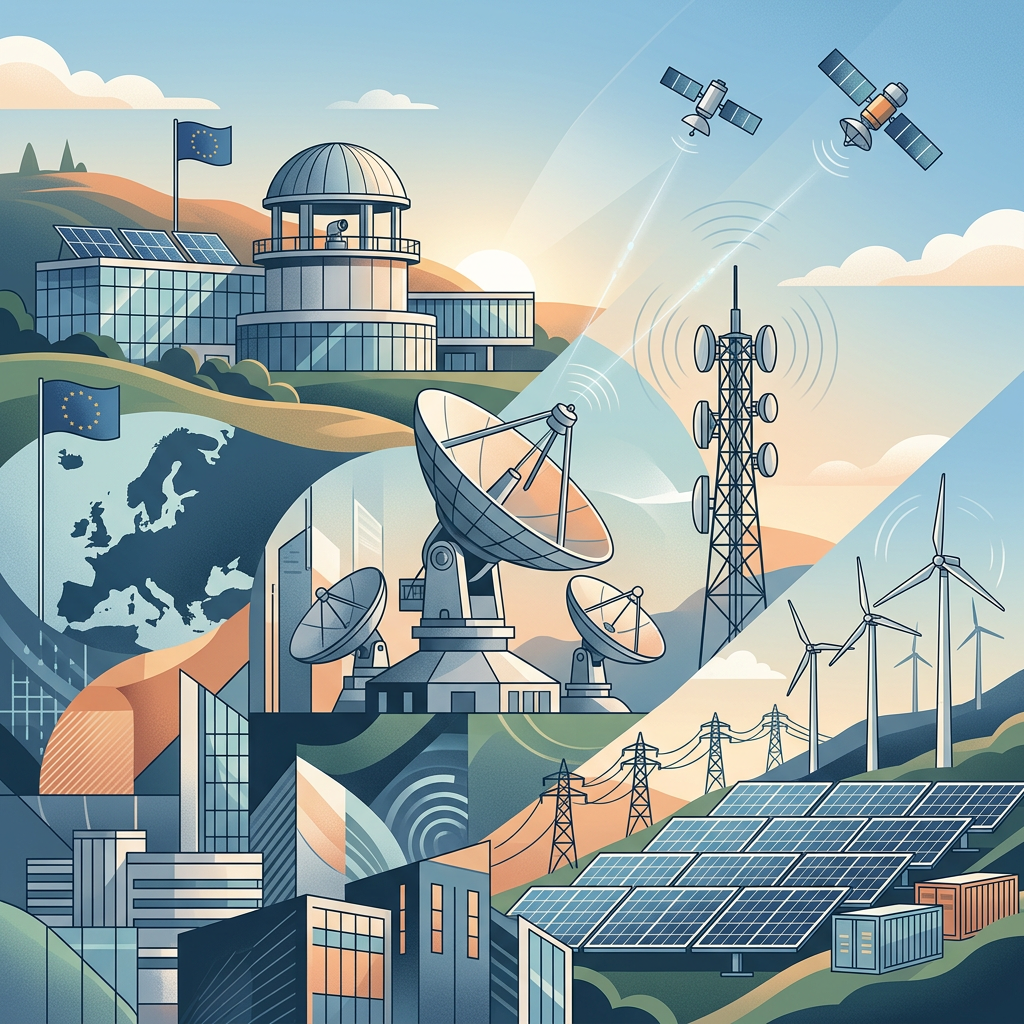
An AI idea of how constructing a security enviroment looks like.
Fast forward to today. Driven by domestic political maneuvering and a frantic search for a “tactical win” ahead of the midterms, the current U.S. administration is sticking strictly to the playbook of the first rule while entirely trampling on the second.
Look at how we got here: an open-ended, grinding quagmire with Iran that began with explosive escalations, only to be put on a cynical political chessboard where grand strategy takes a backseat to ballot-box optics. Instead of keeping its eye on the real ball—securing a lasting containment of adversarial threats and actively downsizing the existential shadow cast by Russia—Washington is caught up in hollow threats and short-term posturing.
When unpredictable whims and the weaponization of private tech monopolies like Elon Musk’s Starlink become standard U.S. foreign policy, the writing is on the wall. Relying on Washington as a stable anchor is no longer a “partnership”; it’s a geopolitical hazard.
And when European nations—from Finnish tech giants to Belgian upstarts—start engineering their own sovereign communication grids to escape this chaos, how does Washington react?The U.S. EU Ambassador threatens “devastating” retaliation against European companies seemingly to protect American monopolies. WTF? This reeks of downgrading “Allies” to Warsaw pact style “Vassal states”.
Fortunately, this is a bit more complicated than simply shouting “Orange Man Bad.” Radio spectrum is a finite resource, and satellite-to-smartphone connectivity is no exception. The EU’s proposal concerns a specific frequency band, not satellite communications as a whole. The Commission wants to reserve part of this capacity for European operators, including a share for government, security and defence needs. That inevitably raises difficult questions about market access, competition and who gets priority.
There is a legitimate technical and regulatory debate to be had here. But that is precisely why Washington’s reported threat of “devastating” retaliation is so troubling. If the EU’s proposal is flawed, challenge it on its technical and economic merits. Threatening European companies with retaliation because Brussels wants to develop its own capabilities is a different matter entirely.
Strategic autonomy does not mean every European proposal is automatically right. It means Europe must be able to make its own decisions without having to fear economic punishment from an ally whenever those decisions threaten American commercial interests.
1. The Starlink Wake-Up Call: When the “Ally” Holds the Kill Switch
The illusion that commercial tech empires and U.S. national interests align with stable European security has shattered. When critical communication networks can be throttled, restricted, or leveraged based on domestic political squabbles, electoral calendars, or a single billionaire’s mood swings, dependency becomes a liability.
By treating wartime communications and critical infrastructure as leverage, the U.S. is fracturing its own alliance network far more effectively than any adversary ever could. Trust isn’t lost in a day, but threatening allies for trying to build a basic digital safety net finishes the job.
2. Taking the Eye Off the Ball: The Iran Quagmire & The Russian Threat
The core failure of American strategy goes beyond trade disputes. The war with Iran has become a grinding test of whether Washington can translate overwhelming military power into a durable strategic outcome. Military superiority is not the same as political success, and a campaign that consumes attention, resources and diplomatic capital without a clear end state risks becoming a strategic liability.
The domestic political calendar raises an uncomfortable question: is Washington pursuing a coherent long-term strategy, or looking for a tactical victory that can be sold to voters before the midterms? Whatever the answer, Europe cannot afford to have its security treated as a secondary concern.
And there is an obvious strategic irony here. After choosing to act without sufficient allied participation, Washington has had to seek additional allied naval capabilities for the theatre. If a campaign requires support that its architects did not adequately secure beforehand, that is not just a military planning problem. It is a failure of alliance management—and another blow to the very reliability on which American leadership depends.
Meanwhile, Russia remains a structural threat to European security. A superpower cannot afford to confuse a dramatic military confrontation with a coherent grand strategy. The question is not whether Iran matters. It is whether Washington can manage that confrontation without undermining its alliances or losing sight of the wider strategic balance.
Real leadership means keeping the eye on the ball: neutralizing major structural threats like the ongoing menace from Russia. Instead, foreign policy is being hijacked for short-term political theater. A superpower distracted by its own manufactured or mismanaged flashpoints has nothing reliable to offer its partners.
3. Europe Fights Back: Sovereignty from the Arctic to Brussels
When Washington’s leadership becomes a moving target, Europe need to build its own floor. This is a continent-wide awakening.
First, look to Finland, where Nokia and ICEYE are working to develop a sovereign satellite communications system for government and defence users. The aim is to give the customer state operational control over its satellites, ground infrastructure and terminals, rather than leaving critical communications entirely dependent on a foreign commercial provider.
This is not an operational replacement for Starlink today, and it would be foolish to pretend otherwise. The first satellites are expected to launch in 2028. But that is precisely the point: strategic autonomy is built before a crisis, not improvised in the middle of one. Europe does not need to abandon American technology. It needs credible alternatives, so that cooperation remains a choice rather than a necessity dictated by dependency.
Simultaneously, across the broader continent, companies like Belgium’s Aerospacelab are scaling up heavy-duty manufacturing to ensure Europe has its own resilient eyes and ears in orbit. This is what true strategic autonomy looks like: ensuring that if a partner decides to play political games, your infrastructure doesn’t go dark.
The Bottom Line
You can’t treat your global allies like a captive audience while losing focus on actual geopolitical security, and expect them not to look for alternative providers. If the U.S. administration wants to keep playing the “divide and conquer” game without the baseline requirement of reliability, it shouldn’t be surprised when Europe decides to build its own future—with or without Washington’s blessing.
I used to have a teacher back in the day who walked with a prosthetic foot. Svante was an OK guy, maybe a bit harsh on us undisciplined little rascals, but nevertheless a respected teacher. He had lost a foot to a Russian landmine in Karelia.
When international non-governmental organizations (NGOs) march in lockstep to disarm frontline European states, it is always advisable to “follow the money”, check the “geopolitical alignment”, and look past the “high-minded humanitarian rhetoric”. THAT IS where the true agenda is. Recently, representatives of the International Campaign to Ban Landmines (ICBL) and associated lobbying networks have intensified their pressure on the UN and EU leadership, aggressively targeting NATO frontline members Finland and Poland for withdrawing from the Ottawa Convention and moving to reintroduce anti-personnel landmines to secure their borders. These measures are necessary to help preserve the lives of Finnish and Polish soldiers in the war with Russia that we must be prepared to face.
If you scratch the surface of these supposedly pure “grassroots pacifist campaigns”, the scent of mahorkka (cheap Russian tobacco) grows strong, and the faint strumming of a Kremlin-friendly balalaika starts to echo in the background. This seems not to be a grassroots organization; this is more likely astroturfing.
Following the Money: Who Funds the Pressure?
To understand how global advocacy networks operate, one must examine their funding architecture. The ICBL functions as a sprawling umbrella coalition (ICBL-CMC — International Campaign to Ban Landmines and Cluster Munition Coalition), supported by a complex web of institutional donors, private trusts, and governmental grants.
While its public-facing financial reports list major Western contributors—such as the European Commission, various EU member state governments (including Germany, Norway, and others), and charitable foundations—the strategic utility of the pressure they exert tells an entirely different story.
The Western Donor Paradox: Western taxpayers and European governments inadvertently fund organizations that routinely lobby against the security interests of frontline NATO states. I cannot help but wonder WHY our NATO allies, starting with Canada, France, and Germany, are funding this kind of heinous campaign against NATO’s Eastern flank.
The Vacuum of Accountability: While democratic states maintain transparent NGO funding disclosures, the indirect alignment of activist outcomes with authoritarian strategic goals creates a classic useful-idiot dynamic. When NGOs successfully lobby to keep frontline states like Finland and Poland legally or politically underequipped, the primary beneficiary is not global peace—it is Moscow.
The offices in Geneva aren’t that cheap. And there’s a shitload of money to be made working for these NGOs. I’ll bet you doughnuts to dollars that the flights for the “board of directors” to meetings aren’t cabin-class redeyes either. I’m not suggesting this particular NGO is laundering Pablo Escobar’s drug money, but I do know that NGO paychecks tend to be generous and tend to be even more generous for expenses of luminaries in “charge” of said NGOs.
The argument against the Polish and Finnish positions is, of course, framed in terms of INTERNATIONAL LAW and what the TREATY forbids. ICBL also seems to be on a mind, that you cannot leave the ban, even though the agreement provides a path to withdrawal. Not so. A TREATY implies a consensual transaction. When it is no longer conductive or at least tolerable for national interest, treaties fall through.
Poland and Finland have announced their intentions to leave the suicide pact and have done so according to the treaty. Some Geneva-based NGO is not in a position to make demands of sovereign governments. Nor can Geneva-based NGOs demand that the citizens of Finland and Poland fight the next war, sacrificing their soldiers to appease their high-minded sensibilities.
Polezny idiot or poputchik? Serving Moscow’s Strategic Interests in Any Case
Russia is famously not a party to the Ottawa Convention, nor has it ever been. It possesses one of the world’s largest stockpiles of anti-personnel landmines (estimated in past Monitor reports at over 26 million mines) and deploys them ruthlessly on a massive scale in its war of aggression against Ukraine. For the Kremlin, landmines are a vital tactical tool of conquest and occupation.
Yet, what does the ICBL lobby do? Instead of focusing pressure on the rogue superpower actively using millions of mines to undermine European security, these organizations direct their moral outrage at Finland and Poland—two sovereign democratic nations bracing against the threat of Russian aggression along the EU’s eastern flank.
Disarming the Victim: By demanding that frontline states abandon effective area-denial weapons, these campaigns effectively advocate for undefended borders.
The Geopolitical Echo Chamber: Whether consciously or as a result of rigid ideological dogmatism, the effect of ICBL’s lobbying against Finland’s defense policy directly mirrors Russian strategic objectives. Moscow wants a weak, porous, and exposed European border. Campaigns that strip away a nation’s sovereign right to deploy cost-effective territorial defense are, functionally, an arm of Russian geopolitical warfare.
Conclusion: Time to Drop the Naivety
The intervention by anti-landmine bureaucrats in Nordic and Baltic defense decisions exposes the profound disconnect of contemporary international NGO activism. When organizations pressure the UN and EU to hamstring Finland’s border security, they are not acting in the interest of European stability.
As the old saying goes, all flesh obeys discipline, but Western democracies seem persistently reluctant to enforce discipline against ideological networks whose campaigns systematically serve authoritarian interests. It is time to see through the high-sounding bureaucratic declarations: behind the polished Geneva veneer of the ICBL, the mahorkka smoke of geopolitical manipulation hangs thick in the air.
So, esteemed NATO allies: Isn’t it time to stop funding this subversion?
Lokakuun alkupuoli 2026 jää historiaan kohtana, jolloin Euroopan suurkaupungit – erityisesti Ranska – ajautuivat vuosikymmenien rajuimpiin levottomuuksiin. Vaikka “virallinen kipinä” liittyi alun perin elinkustannusten nousuun, julkisiin palveluihin ja koulutusmäärärahoihin, tilanne karkasi nopeasti käsistä. Kaduilla nähtiin massiivisia yhteenottoja, joissa poliittisen radikalismin (kuten äärivasemmiston Taipumaton Ranska -liikkeen) ja maahanmuuttajataustaisten ryhmien liittoutumat nostattivat ennennäkemätöntä tuhoa.
Median ja viranomaisten raportoidessa kaaoksesta herää väistämättä kysymys: mitä kulissien takana tapahtui, ketkä olivat oikeasti iskujen kohteina ja keitä mellakoitsijat todellisuudessa olivat? Osoitan seuraavaksi, että kyse on islamo-vasemmistolaisesta terroriaallosta:
Tuhon paljastavat tilastot: Kirkot, synagogat ja pyhäköt
Lokakuun puolivälin levottomuuksissa kohdistettu ilkivalta herätti laajaa huolestuneisuutta uskonnollisten yhteisöjen keskuudessa:
Kirkot: Laajojen mellakoiden ja julkisten rakennusten polttojen keskellä kirkkoihin kohdistuneet suorat tuhoamisluvut ovat viranomaisten tarkemmassa tutkinnassa. Vaikka pääpaino mellakoissa oli yleisessä vandalismissa, kriitikot ja tarkkailijat ovat huomioineet, että muslimien pyhäköitä tai moskeijoita ei ole raporttien mukaan vahingoitettu lainkaan.
Synagogat: Sen sijaan antisemitistiset viharikokset saavuttivat synkän huipentuman. Esimerkiksi Pariisin 19. kaupunginosassa sijaitseva synagoga joutui rajun vandalismismin kohteeksi, kun mellakoitsijat tunkeutuivat sisään, repivät pyhiä kirjoja ja levittivät rituaaliesineitä pitkin lattioita. Vastaavia ilkivallantekoja ja hävitystä raportoitiin muistakin juutalaisista kohteista viikonlopun aikana.
Käytettävissä olevissa raporteissa ei ole tullut esiin vastaavia moskeijoihin kohdistuneita iskuja.
Ryöstelyt ja kohdennettu kauppojen tuhoaminen
Ryöstelyaalto pyyhkäisi läpi Pariisin, Marseillen, Lyonin ja useiden muiden kaupunkien keskustojen. Luksusputiikit, supermarketit ja elektroniikkaliikkeet tyhjennettiin järjestelmällisesti. Sosiaalisessa mediassa ja silminnäkijäkertomuksissa on kuitenkin nostettu esiin huolestuttava ilmiö kauppojen omistussuhteista:
Muslimien omistamat vs. muut kaupat: Paikallisten raporttien ja journalististen nostojen mukaan tuhotyöt ja ryöstöt eivät olleet pelkkää satunnaista kaaosta. Esimerkiksi tietyillä alueilla muslimien omistamat liikkeet säästyivät täysin järjestelmälliseltä tuholta, samalla kun viereiset suuryritykset tai erityisesti juutalaisten omistamat liikkeet joutuivat polttojen ja systemaattisen ryöstelyn kohteeksi.
Ranskalaisessa mediassa esitettiin myös väitteitä siitä, että Marseillessa juutalaisomisteisia yrityksiä olisi valittu kohteiksi ennakkoon laadittujen osoitelistojen perusteella. Väitteitä ei ole toistaiseksi riippumattomasti vahvistettu. Jos ne osoittautuvat oikeiksi, kyse ei olisi enää pelkästä opportunistisesta ryöstelystä vaan järjestelmällisestä, antisemitistisesti motivoituneesta toiminnasta.
Jo nyt on aiheellista kysyä, miten tehokkaasti viranomaiset selvittävät mahdollisia ideologisesti valikoituja iskuja ja niiden tekijöiden yhteyksiä. Tämä osoittaisi organisoinnin tuhojen taustalla. DGSI ei ole toiminut normaalilla päättäväisyydellään ja aggressiivisuudellaan – lieneekö kädet sidottu hallinnollisella päätöksellä. Ranskan tiedustelupalveluilla on historiansa, eikä niiden toimintaa pidä arvioida kritiikittä. DGSE:n Rainbow Warrior -operaatio vuonna 1985 osoitti, mihin Ranskan tiedustelukoneisto voi poliittisen tarkoituksen nimissä ryhtyä. Tämä ei tienkään todista mitään DGSI:n nykyisestä toiminnasta, mutta tekee perustellusta kysymyksestä viranomaisten vastuusta aiheellisen. Miksi nyt näin arka reaktio?
Keitä pidätetyt olivat: Opiskelijoita vai ammattimellakoitsijoita?
Kun viranomaiset laskivat levottomuuksien satoa – pidätyksiä on ollut sangen viljalti ja satoja poliiseja loukkaantui – heräsi kysymys mellakoitsijoiden taustoista.
Opiskelijaorganisaatiot ja ammattiliitot: Mielenosoitusten taustalla oli alkuun laillisia ammattiliittojen ja opiskelijajärjestöjen kutsuja vastustaa elinkustannuksia. Mielenosoitusten rauhanomaisessa vaiheessa liikkeellä oli kymmeniä tuhansia nuoria.
Muu-aines ja radikaalit: Viranomaiset kuitenkin totesivat väkivallan, ryöstelyjen ja terrorin olennoituneen täysin toisesta ryhmästä. Suuri osa suorien iskujen takana olleesta ydinjoukosta ei ollut tavallisia opiskelijoita, vaan järjestäytyneitä radikaaleja sekä rikollistaustaisia nuorisojoukkoja. Vaikka opiskelijaliikkeet toimivat marssien vetureina, varsinaisen kaaoksen toteuttajista valtaosa koostui katutason mellakoitsijista ja poliittisista extremisteistä.
Tapahtumat herättävät kysymyksen siitä, missä määrin poliittinen äärivasemmisto, islamistiset verkostot ja rikolliset nuorisoryhmät kykenevät hyödyntämään samaa levottomuustilannetta. Viranomaisten ja mediatietojen mukaan oppilaiden värväys kouluista mielenilmauksiin on edennyt seuraavasti:
Poliittinen kytkös ja soluttautuminen: Esimerkiksi Jean-Luc Mélenchonin johtama radikaalivasemmistolainen La France Insoumise (LFI) -puolue sekä opiskelija- ja lukiolaisjärjestöt ovat olleet aktiivisesti mukana organisoimassa koulujen saartoja ja mielenosoituksia. Hallitus ja sisäministeriö ovat avoimesti syyttäneet radikaalivasemmistoa koululaisten liikehdinnän ”kaappaamisesta” omiin tarkoituksiinsa.
Kehotukset kentälle: LFI:n edustajat ja paikallistoimijat ovat julkisesti kehottaneet aktivistejaan menemään koulujen porteille ja astumaan väliin nuorten ja poliisin väliin, minkä kriitikot näkevät suorana kiihotuksena ja provokaationa.
Liikehdinnän muutos: Alun perin oppilaiden turhautumisesta alkaneet lukioiden saarrot laajenivat nopeasti laajemmiksi yhteiskunnallisiksi levottomuuksiksi, kun ammattiliitot ja poliittiset ääriryhmät kytkeytyivät mukaan toimien alustana nuorten masinoinnille kaduille.
Samettihansikkaat ja kova käsi: Kurin ja voiman paluu?
Koko kriisin ajan on käyty laajaa keskustelua siitä, millä otteella valtion tulisi mellakoihin vastata. Kriitikoiden mukaan vasemmistolaisten ja liberaalien “kumiranteinen” lähestymistapa – jossa väkivaltaan vastataan lähinnä vuoropuhelulla ja pidättyväisyydellä – on vain lisännyt tuhoja ja rohkaissut mellakoitsijoita entisestään.
Kuten brittiläinen sotilasajattelija Arthur Harris lienee aikoinaan todennut: ”Arabi ymmärtää vain kovaa kättä”. Minusta Ranskassa ollaan jo yli pisteen, jossa vain kova käsi tehoaa: ”kaikki liha tottelee kuria”. Kun yhteiskunnallinen järjestys haastetaan avoimella tuhotyöllä, pehmeät otteet näyttäytyvät heikkoutena, joka vain pitkittää ja pahentaa kaaosta. Toisaalta, kuten Ukrainan historia opettaa, jos tyytymättömyys on kovaa ja laajalti levinnyttä, pelkkä kova voimankäyttö voi myös kärjistää tilannetta entisestään – tämä nähtiin aikanaan esimerkiksi Maidanin levottomuuksissa Kiovassa.
Loppupohdinta: Kahden linjan Eurooppa ja sotilaallisen voiman rajat
Lokakuun 2026 tapahtumat osoittavat karulla tavalla sen, kuinka nopeasti lailliset yhteiskunnalliset protestit voidaan kaapata radikaalien voimien toimesta. Kun mellakointiin sekoittuu avoin antisemitismi, valikoiva ryöstely ja yhteiskunnan perusrakenteiden tuhoaminen, Eurooppa seisoo vaarallisessa tienristeyksessä.
Italiassa pääministeri Giorgia Meloni otti tilanteeseen heti aktiivisen linjan: hän totesi tiukasti, että “mielenosoittaminen on oikeus, mutta kaupunkien muuttaminen taistelukentiksi ei ole”, vaati oppositiolta yksiselitteistä väkivallan tuomitsemista ja komensi esimerkiksi Milanoon 500 lisäsotilasta osana Strade Sicure -operaatiota turvaamaan keskeisiä kohteita.
Herää kuitenkin kriittinen kysymys siitä, miksi Ranskassa pitkään käytössä ollut vastaavantyyppinen sotilaallinen valmiusoperaatio – Operation Sentinelle – ei ole onnistunut rauhoittamaan tilannetta tai estämään laajoja mellakoita ja ryöstelyaaltoja:
Väärä tehtäväkuva ja roolituksen rajoitteet: Sentinelle luotiin alun perin terrorismin torjuntaan ja herkkien kohteiden vartiointiin, ei massiivisen kaupunkimellakoinnin tai liikkuvien ryöstelijäjoukkojen taltuttamiseen ilman poliisin suoria valtuuksia.
Taktinen joustamattomuus: Mellakoitsijat hyödyntävät hajautettua iske ja pakene -taktiikkaa, johon kiinteisiin vartiointipisteisiin sidotut sotilaspartiot eivät ehdi reagoimaan tehokkaasti. Mellakoitsijoiden taltuttaminen raskaalla aseistuksella ei myöskään ole kolmen mieheen partioiden hommaa. Mieleen muistuu historiallinen vertaus vaikkapa Oulun mellakkaan, johon varusmiehet tulivat sentään kenttälapioin varustautuneina.
Poliittinen varovaisuus ja eskalaatiopelko: Ranskassa pelätään liian suoraa voimankäyttöä ongelmalähiöiden nuorison kohdalla.
Kun Italian Meloni valitsi aktiivisen ja suoran mallin turvata kaupunkien ydinkeskustat armeijan tuella, Macronin Ranskan kumiranteinen ja puolustusvoimia kuluttava koneisto horjuu. Palaako rauha Italiaan huomattavasti nopeammin kuin Ranskaan, jossa perinteiset ja varovaisemmat otteet vain pitkittävät kaaosta? Vielä 1960-luvulla Ranskalla oli sentään selkärankaa tukahduttaa järjestelmällisesti erilaisia levottomuuksia.
Olin syyslomilla ja hieman ulkomailla viimeviikolla, joten blokiin tuli hieman taukoa. Ranskanmaalla on “opiskelijamellakoita” jotka ovat levinneet jo Italiaan ja osin Espanjaan. Tämä ja kuulemani Prof David Betzin haastattelu kirvoitti sanaisen arkun auki. Olkaapa hyvät:
AI ajatus kuperan linssin politiikan Euroopasta. Sopii hyvin näin syyslomien aikoihin.
Kun tarkastellaan nykyisten länsimaisten valtioiden kehityskulkua, poliittinen analyysi pyrkii tyypillisesti selittämään sisäisiä jännitteitä vain yhden ainoan linssin kautta: taloudellisen eriarvoisuuden, maahanmuuttopolitiikan tai nousevan kulttuurisen kitkan näkökulmasta. King’s College Londonin professori David Betz kuitenkin väittää, että olemme keskittyneet vääriin oireisiin. Todellinen vaara ei ole vain ääriliikkeissä tai yksittäisissä turvallisuusuhissa, vaan kuperan linssin politiikan syntymisessä – rakenteellisessa tilassa, jossa poliittinen keskusta muuttuu kestämättömäksi ja pakottaa yhteiskunnat jakautumaan nopeasti heimomaisiin leireihin. Betz hahmottelee kolmikantaisen konfliktimallin: post-nationalistiset teknokraattiset eliitit, syrjäytyneen tai kapinoivan kantaväestön (2000-luvun “talonpoikaiskapinan”) sekä tiiviit rinnakkaisyhteisöt, jotka toimivat itsenäisinä poliittisina toimijoina saman suvereenin alueen sisällä. Ratkaisevassa osassa on se, että perinteinen järjestyksenpitäjä – armeija ja turvallisuus koneisto– jää sivuun, ylikuormittuu tai hajoaa.
David Betz käyttää teoreettisessa mallissaan kuutta keskeistä mittaria tai rakenteellista tekijää arvioidakseen, onko yhteiskunta ajautumassa kohti sisäistä konfliktia ja kuperan linssin politiikkaa. Nämä kuusi mittaria ovat:
Faktionalismi (Factionalism): Tavallinen poliittinen erimielisyys on kovettunut identiteettivetoiseksi polarisaatioksi. Mittari kattaa paitsi yleisen yhteiskunnallisen jakautumisen, myös eksplisiittisen rinnakkaisen poliittisen järjestäytymisen (kuten blokkiäänestämisen ja omat poliittiset enklaavit tietyillä vaalialueilla).
Alaspäin luisuminen (Downgrading): Kuvaa historiallisesti vallitsevan kantaväestön kokemaa pysyvää aseman, turvallisuuden, elintason ja alueellisen tuttuuden menetystä suhteessa väestönmuutoksiin ja poliittiseen painoarvoon.
Legitimiteettikriisi (Legitimacy Crisis): Mittaa sitä, kuinka avoimesti valtio tuhoaa oman legitimiteettinsä soveltamalla lakeja ja sananvapauden rajoja valikoidusti rikoksen tai toimijan identiteetin mukaan, sivuuttamalla äänestäjien toistuvat toiveet suurissa demografisissa linjauksissa sekä harjoittamalla avointa kaksinaismoralismia.
Taloudellinen turvattomuus ja odotusarvojen kuilu (Economic Precarity / Expectation Gaps): Ei niinkään absoluuttista köyhyyttä, vaan sitä turhautumista, jota nuoret ja työtätekevät kokevat, kun heidän sosiaaliset ja taloudelliset ambitionsa (kuten kyky hankkia koti tai perusti perhe) murskautuvat. Betz rinnastaa valtion tarjoaman “leipää ja sirkuksia” -tyyppisen viihteen ja velkaantuneen mukavuuden roomalaisen ajan huveihin.
Tottelevaisuuskulttuurin heikkeneminen ja kapinahalukkuus (Diminishing Culture of Obedience): Perinteisten auktoriteettiuskon, kuuliaisuuden tai siihen luottamuksen rapautuminen, että valtio korjaa itse itsensä. Tilalle tulee kasvava halukkuus pitää virallisia ohjeita valinnaisina, järjestäytyä paikallisesti ja omaksua suoran toiminnan taktiikat.
Eliitin epäpätevyys ja hajanaisuus (Elite Incompetence and Disunity): Mittaa hallitsevan johtajiston (joita Betz kuvaa skriptiä seuraaviksi manageriluokiksi) sisäisiä säröjä, kyvyttömyyttä käsitellä ongelmia ja taipumusta suojella itseään (esimerkiksi hankkimalla toisia passeja tai varoja ulkomaille), kun tilanne kärjistyy.
Miten toteuttamiskelpoinen tämä kolmikantainen repeämämalli on, kun tarkastelemme nyky-Eurooppaa – erityisesti Isoa-Britanniaa, Ranskaa, Ruotsia ja Suomea?
Yhdistynyt kuningaskunta toimii mallin selvimpänä prototyyppinä.
Ison-Britannian yhteiskunta vastaa Betzin rakenteellista mallia hälyttävän tarkasti, sillä Lontoon finanssi- ja poliittisten keskusten ympärille keskittyneiden, globaalisti liikkuvien kosmopoliittisten “mihinkään kuulumattomien” eliittien ja teollisuusalueiden syrjäytyneiden “johonkin kuulumattomien” tavallisten kansalaisten välinen kuilu on syvä ja repeää yhä leveämmäksi.
Samaan aikaan brittiläinen poliisivoima on kroonisesti ylikuormittunut, ja sen kotimaisen tiedustelun rakenteita on järjestelty uudelleen. Britannian asevoimat puolestaan ovat ammattiarmeija, jonka kouluttama osaaminen on kysyttyä myös oman maan ulkopuolella. Palveluksesta poistuville kokeneille sotilaille avautuu mahdollisuuksia huomattavasti paremmin palkattuihin tehtäviin ulkomailla tai “yksityisellä sektorilla”, Brittejä on tavattu myös sellaisten valtioiden palveluksessa, joiden strategiset edut eivät välttämättä vastaa Britannian tai Naton etuja. Erityisen huolestuttavaa tämä on silloin, kun kyse on länsimaisten sotilaallisten toimintatapojen, taktiikoiden ja operatiivisen osaamisen siirtymisestä strategisille kilpailijoille.
Ongelman toinen puoli liittyy valtion suhteeseen omiin sotilaisiinsa. SAS-erikoisjoukkojen ja niiden veteraanien toiminta Pohjois-Irlannin konfliktissa ja myöhemmissä operaatioissa on ollut pitkään oikeudellisen ja poliittisen kiistan kohteena. Sotilaiden rikkomukset on tutkittava, mutta jos oikeusprosessit muuttuvat perusteettomiksi, kohtuuttomiksi tai poliittisesti valikoiviksi, seurauksena voi olla luottamuksen rapautuminen asevoimien ja valtionjohdon välillä. Tämä juuri on tapahtunut Britanniassa, sillä SAS veteraaneja syytetään samantapaisista toimista Pohjois-Irlannissa, mistä IRAn terroristit ovat saaneet kategorisen armahduksen.
Tässä on myös historiallinen ulottuvuus. SAS on ollut merkittävä toimija Britannian imperiumin hajoamiseen liittyneissä konflikteissa ja myöhemmissä erityisoperaatioissa. Sen operatiivinen kokemus epäsäännöllisestä sodankäynnistä on huomattava sotilaallinen voimavara. Jos valtio samaan aikaan menettää kokeneita sotilaita ulkomaisille työnantajille ja kohtelee jäljelle jäävien joukkojen historiallista toimintaa tavalla, jonka ne kokevat epäoikeudenmukaiseksi, se saattaa heikentää juuri sitä osaamista ja institutionaalista luottamusta, joita vakava sisäinen turvallisuuskriisi edellyttäisi.
Nopeat demografiset muutokset ja paikallistuneet ryhmääänestyskäyttäytymiset ovat luoneet suurkaupunkeihin ja teollisuuskaupunkeihin omia poliittisia alueitaan, jotka muuttavat pysyvästi maan vaaliluonnetta.
Ranska on pysyvän kitkan ja katutason levottomuuksien ruumiillistuma.
Ranska on kenties maanosa-Euroopan räjähdysherkin testi tälle Betzin mallille, mitä korostavat esimerkiksi pääkaupungin laitamilla ja lähiöissä koetut toistuvat nuorisovetoiset mellakat ja levottomuudet. Ranskalainen yhteiskunta on leimautunut syvään juurtuneeseen epäluottamukseen Pariisin keskusvaltaa kohtaan niin maaseudun ja pikkukaupunkien työväenluokan kuin kaupunkien ongelmalähiöiden taholta. Tämä jatkuva arjessa koettu kitka testaa jatkuvasti perinteisen keskitetyn tasavallan ja sen laïcité-periaatteen rajoja.
Ranskan tunnetuin ja merkittävin radikaalin vasemmiston (laitavasemmiston) ehdokas on Jean-Luc Mélenchon. Hän johtaa Alistumaton Ranska (La France Insoumise, LFI)puoluetta. Tulevat ranskan vaalit ovat saaneet äärivasemmiton lietsomaan “opiskelija”-levottomuuksia. Syvän rakenteellisen levottomuuden ja yhteiskunnallisen polarisaation keskellä Ranskan toistuvat oppilas- ja opiskelijalevottomuudet – joita nähdään säännöllisesti lukioiden ja yliopistojen porttien edessä – toimivat paitsi turhautumisen purkautumiskanavana myös otollisena polttoaineena radikaalille vasemmistolle. Kun nuoret ja opiskelijat protestoivat taloudellista epävarmuutta, koulutusleikkauksia tai yhteiskunnallista näköalattomuutta vastaan, järjestäytynyt äärivasemmisto pyrkii aktiivisesti kanavoimaan tämän liikehdinnän omiin institutionaalisiin ja vallankumouksellisiin päämääriinsä. Katutason mellakat ja koulujen saartamiset tarjoavat radikaaleille poliittisille toimijoille tilaisuuden esiintyä järjestelmän vastaisen kapinan äänitorvena, sulattaa perinteisen ja radikaalin vasemmiston rajoja ja haastaa suoraan keskitetyn tasavallan auktoriteetin. Tällä tavoin nuorten spontaani turhautuminen valjastetaan osaksi laajempaa hegemonista kamppailua, jossa yhteiskunnallinen kaaos ja institutionalisoitu radikalismi ruokkivat toisiaan.
Toisin kuin Britanniassa, Ranskassa on suuri ammattiarmeija, jolla on historiaa kotimaisista turvallisuusoperaatioista, mutta tämä tarkoittaa myös sitä, että armeija tuskin voisi vain vetäytyä sivuun, vaan se ajautuisi vaarallisen sisäisen polarisaation kohteeksi joutuessaan vartioimaan omia kaupunkialueitaan.
Ranskan tilannetta kuvaa hyvin myös vuonna 2021 julkaistu entisten kenraalien avoin kirje, jossa varoitettiin maan yhteiskunnallisesta hajoamisesta, rinnakkaisyhteisöjen aiheuttamista jännitteistä ja jopa sisällissodan mahdollisuudesta. Kirjeen allekirjoitti noin kaksikymmentä eläkkeellä olevaa kenraalia, ja sen sai tuekseen myös joukko palveluksessa olevia sotilaita. Kirje herätti voimakkaan poliittisen vastareaktion, ja aktiivipalveluksessa olevia allekirjoittajia uhattiin kurinpitotoimilla. Lähde
Kirje ei todista, että sen esittämät uhkakuvat toteutuisivat sellaisinaan. Se kuitenkin osoittaa, etteivät huolet yhteiskunnan sisäisestä hajoamisesta ja valtion kyvystä hallita sitä syntyneet vasta nykyisten levottomuuksien myötä. Erityisen merkittävää on, että varoitus tuli sotilailta, joiden ammatilliseen näkökulmaan kuuluvat valtion toimintakyky, sisäinen turvallisuus ja äärimmäisten kriisien seuraukset.
Ruotsi kamppailee pohjoismaisen konsensuksen murtumisen kanssa.
Ruotsin kehitys viimeisen kahden vuosikymmenen aikana edustaa mallista omaa muunnelmaansa, sillä maa nojasi pitkään poikkeuksellisen vahvaan sosiaalidemokraattiseen yhteisymmärrykseen ja korkeaan institutionaaliseen luottamukseen. Tämä konsensus on kuitenkin murtunut nopeiden väestörakenteen muutosten, haavoittuvilla asuinalueilla syvenevän segregaation ja jengi-ilmiön mukanaan tuomien turvallisuusongelmien myötä.
Vaikka Ruotsi on palauttanut asevelvollisuuden ja rakentaa kokonaisturvallisuuttaan uudelleen, maan poliittiset ja sosiaaliset rakenteet ovat joutuneet samanlaisen mannereurooppalaisen paineen alle, jossa perinteinen luottamus instituutioihin on rakoillut ja vastakkainasettelu eliitin ja vaikeuksien kanssa kamppailevan keskiluokan välillä kasvaa. Ruotisssa on, muuten, korkein väestön maahanmuuttajaprosentti 20%, joka ei lupaa hyvää kuvatunkaltaisten ongelmien hoitamisen kannalta.
Ruotsissa on myös kuultu varoittavia vakavasti otettavia puheenvuoroja valtion otteensa menettämisestä jengialueilla ja yleisestä ulkoisen turvallisuuden heikkenemisestä. Varoitukset eivät ole jääneet vain yksittäisten kriitikoiden puheeksi, vaan valtio on itse alkanut dokumentoida rinnakkaisyhteiskuntien, järjestäytyneen rikollisuuden ja instituutioiden haavoittuvuuden muodostamaa kokonaisuutta.
Suomi erottuu joukosta pohjoismaisen palomuurinsa turvin.
Suomi muodostaa poikkeuksen tällä synkällä mannereurooppalaisella kehityskululla, sillä maa ylläpitää maailman korkeimpiin lukeutuvaa sosiaalista pääomaa, institutionaalista luottamusta ja kansallista yhtenäisyyttä. Toisin kuin polarisoituneissa länsimaissa, Suomi toimii integroidun kokonaisturvallisuuden mallin varassa, jossa viranomaiset, yritykset, järjestöt ja tavalliset kansalaiset harjoittelevat kriisinkestävyyttä yhdessä, mikä pitää eliitin ja kansan välisen kuilun minimissään.
Suomalaisen yhteiskunnan ja puolustuksen ytimessä on laaja yleinen asevelvollisuus ja satojen tuhansien sotilaiden reservi, mikä tarkoittaa, että puolustusvoimat ovat itse kansaa – eivät mikään yhteiskunnasta erillinen, palkkasotilasomainen koneisto. Vaikka väestörakenteessa tapahtuu muutoksia, sisäinen heimoutuminen ja rinnakkaisyhteiskuntien muodostuminen ovat Suomessa aivan eri mittakaavassa kuin Länsi-Euroopassa.
Betzin kolmikantainen rintamalinja ei ole pelkkä teoreettinen ajatusleikki, vaan se kuvaa osuvasti niitä rakenteellisia paineita, jotka repivät monia länsimaita. Samalla on muistettava vasemmistoradikaalien ja konservatiivisen vastavirran välinen monimutkainen rako: perinteinen progressiivinen vasemmisto ja konservatiiviset tai uskonnolliset maahanmuuttajayhteisöt saattavat tilapäisesti liittoutua yhteistä vastustajaa vastaan, mutta tämä liitto on pohjimmiltaan hauras ja alttiina repeämiselle arvojen ja tavoitteiden kohdatessa seinän.
Vaikka maat kuten Britannia ja Ranska ovat syvällä kuperan linssin politiikan vyöhykkeellä, pohjoismaat tarjoavat vaihtelevan kuvan: Ruotsi kamppailee integraatiohaasteiden kanssa, kun taas Suomen asevelvollisuuteen perustuva puolustus, syvä kansallinen sitoutuminen maahan ja korkea luottamus toimivat vahvana rakenteellisena palomuurina. Kysymys ei ole enää siitä, ovatko nämä jännitteet olemassa, vaan siitä, riittääkö missään valtiossa poliittista tahtoa korjata kurssia ennen kuin neutraalina pysyttelystä tulee mahdotonta.
Tässä on taulukko, jossa arvioidaan David Betzin kuutta mittaria (faktionalismi, alaspäin luisuminen, legitimiteettikriisi, taloudellinen turvattomuus/odotusarvojen kuilu, tottelevaisuuskulttuurin heikkeneminen sekä eliitin epäpätevyys ja hajanaisuus) Ison-Britannian, Ranskan, Ruotsin ja Suomen osalta.
Mittari / Tekijä
Iso-Britannia
Ranska
Ruotsi
Suomi
1. Faktionalismi
Korkea: Syvä identiteettipolarisaatio ja vahva rinnakkainen poliittinen järjestäytyminen (mm. alueellinen blokkiäänestäminen).
Korkea: Voimakas poliittinen pirstaloituminen, jyrkät vastakkainasettelut ja jännitteet esikaupunkien (banlieues) ja keskusvallan välillä.
Keskitaso–Korkea: Segregaatio ja jengidynamiikka luovat yhteiskunnallisia ja alueellisia jakolinjoja.
Matala: Yhtenäinen poliittinen kenttä, vaikkakin lievää polarisaatiota on nähtävissä.
2. Alaspäin luisuminen (Downgrading)
Korkea: Kantaväestön ja työväenluokan laaja kokemus asemansa, turvallisuuden ja alueellisen tuttuuden menetyksestä.
Korkea: Maaseudun ja pikkukaupunkien kokema näköalattomuus suhteessa metropolialueisiin ja demografisiin muutoksiin.
Keskitaso–Korkea: Perinteisen pohjoismaisen turvallisuuden ja yhtenäisen asuinympäristön muutos koettu raskaasti.
Matala: Väestörakenteen muutokset ovat huomattavasti maltillisempia ja keskittyneempiä.
USAn presidentti on Euroopalle vähän niinkuin sääolot: On mukavaa jos on hyvä sää, mutta jos sataa ja myrskyää, niin sen kanssa on vain elettävä ja selvittävä. Olen useasti kritisoinut monien Eurooppalaisten lähteiden epä-älyllistä “oranssi setä on paha” argumentaaatiota ja geopoliittista analyysiä.
Yhdysvaltain presidentti Donald Trumpin ja Venäjän välinen sopimus noin 300 000 tonnin diesel-erän laivaamisesta globaaleille markkinoille on repäissyt auki syvän kuilun Washingtonin ja Kiovan välille. Trump arvosteli julkisesti Ukrainan iskuja Venäjän öljynjalostamoihin syyttäen niitä polttoaineiden hintojen noususta ja meni jopa niin pitkälle, että väläytti Ukrainan tarvitsevan ”uuden johtajan, joka kykenee tekemään diilin”. Samaan aikaan pitkän kantaman ohjussuorituskykyjä (kuten Tomahawk-ohjuksia) ei ole Yhdysvalloista tulossa Kiovan toiveista huolimatta.
Tämä asettaa presidentti Volodymyr Zelenskyin äärimmäisen monimutkaisen strategisen valinnan eteen: Kokeako tarpeelliseksi tehdä myönnytyksiä Trumpille, vai jatkammeko iskujamme Venäjän öljysektoria vastaan ja vaaditaanko Yhdysvalloilta vastamyönnytyksiä?
Vaihtoehto A: Myönnytykset Trumpille suhteiden pelastamiseksi
Mikäli Ukraina päättäisi myöntyä Trumpin vaatimuksiin ja lopettaisi iskut Venäjän öljy- ja jalostamoarkkitehtuuria vastaan, motiivina olisi puhtaasti liittolaissuhteen ja sotilaallisen perusavun turvaaminen:
Poliittisen paineen vähentäminen: Trumpin avoin retoriikka Zelenskyin korvaamisesta on suora uhka Kiovan poliittiselle liikkumatilalle. Iskuista luopuminen voisi toimia “rauhanenkelin elkeenä”, jolla pehmitetään Valkoisen talon suhtautumista ja estetään sotilaallisen tiedustelutiedon tai kriittisen varaosa-avun täydellinen katkaiseminen.
Neuvotteluaseman säilyttäminen: Taipuminen energiamarkkinoita koskevassa kysymyksessä saattaisi antaa Ukrainalle vipuvartta pyytää vastineeksi jotain muuta – kuten tiukempia ilmapuolustuspaketteja (Patriot-järjestelmiä) kauko-ohjuksia korvaamaan.
Riski: Venäjä saisi kaipaamansa hengähdystauon. Sen vaurioituneet tislaustornit ehdittäisiin korjata, energiatulot alkaisivat elpyä ja kotimainen polttoainepula helpottaisi.
Vaihtoehto B: Iskukampanjan jatkaminen ja vastavaatimukset
Toinen tie – jota Kiova on tähän asti päättäväisesti seurannut – nojaa siihen tosiasiaan, että iskut Venäjän öljysektoriin toimivat.Venäjän jalostuskapasiteetista on tuhottu tai halvaannutettu merkittävä osa, mikä leikkaa suoraan Moskovan sotakassan tuloja ja vaikeuttaa rintaman huoltoa.
Oma suorituskyky riittää: Ukraina ei ole enää riippuvainen Yhdysvaltain ohjuksista syvälle Venäjälle ulottuvissa iskuissa. Omat pitkän kantaman dronet ja omatekoiset ohjusratkaisut yltävät jo yli 1 500 kilometrin päähän rintamasta, joten operatiivista tarvetta Yhdysvaltain luvalle ei näiden iskujen osalta ole.
Strateginen vipuvarsi: Mitä heikompi Venäjän talous ja polttoainekatse on, sitä heikompi se on myös neuvottelupöydässä. Jos Ukraina lopettaisi iskut, se luopuisi ainoasta tehokkaasta asymmetrisestä vaikuttamiskeinostaan ilman mitään takuita siitä, että Trump tarjoaisi tilalle pitävää turvallisuussopimusta.
Vastavaatimusten esittäminen:Kiova voi argumentoida länsiliittolaisille (erityisesti Euroopalle), että Trumpin dieseldiili päästää Putinin liian vähällä. Jos Yhdysvallat ei toimita raskasta hyökkäysasetetta, Ukrainalla on oikeus puolustautua leikkaamalla hyökkääjän resursseja omin keinoin.
Kumpaa polkua kannattaa seurata?
Ukrainan näkökulmasta venäläisen öljysektorin määrätietoinen kurittaminen on edelleen huomattavasti rationaalisempi valinta. Trumpin vaatimuksiin taipuminen ilman pitäviä, kirjallisia turvatakuita jättäisi Ukrainan haavoittuvaiseen asemaan, jossa se menettäisi ainoan toimivan keinonsa heikentää Venäjän sotakonetta.
Vaikka suhteiden viileneminen Washingtoniin on todellinen uhka, Kiovan kannattaa hyödyntää omaa teknologista riippumattomuuttaan ja vaatia vastineeksi Euroopan vahvempaa tukea sekä Yhdysvalloilta konkreettisia suorituksia (kuten ilmapuolustusta), mikäli öljy-yhteyksien rauhoittamista halutaan edes harkita.
Dieselkuvio perustuu siihen, että USAssa tavarat kuljeteaan kumipyörillä ja dieselillä kuluttajille, joten polttoaineen hinta on tärkeä komponetti kuluttajahinnoissa. Ja Trumpin on pakko yrittää voittaa välivaalit pitääkseen kätensä vapaina kongressin ja senaatin häirinnästä.
Julkaisin kirjoitukseni raskaista evakuointidrooneista kuukausi sitten, mutta asia jäi kaihertamaan. Siksi haluan palata siihen vielä kerran – tällä kertaa vähemmän teknologian ja enemmän Lapin logistiikan näkökulmasta.
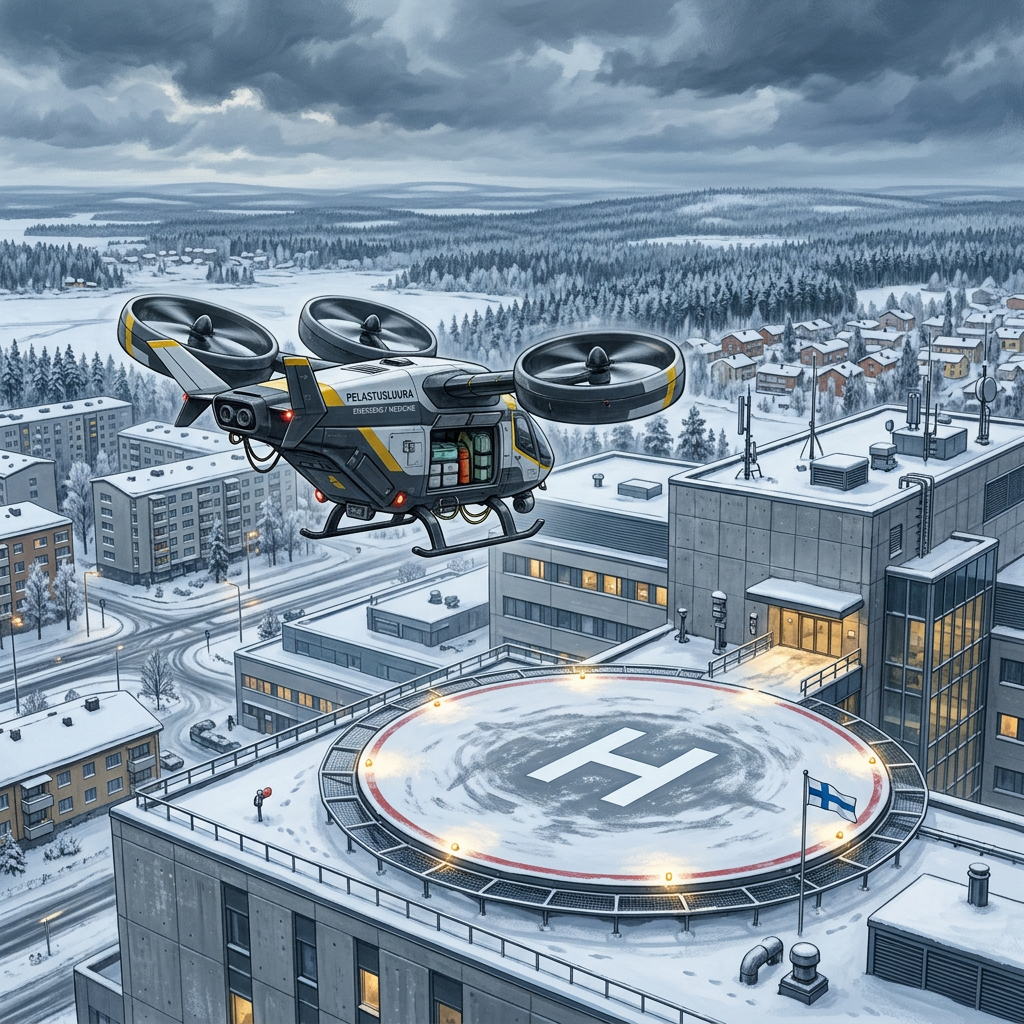
AIn ajatus siitä, miltä näyttää kun drooni lähestyy sairaalaa talvipäivänä.
Ajatus raskaasta miehittämättömästä evakuointikoneesta eli Heavy EVTOL/MEDEVAC-järjestelmästä saattaa kuulostaa vielä kaukaiselta. Teknologia kuitenkin kehittyy nopeasti, ja samalla kustannusrakenne alkaa muuttua kilpailukykyiseksi. Julkisessa keskustelussa asia karkaa helposti joko tieteiselokuvan puolelle tai toiseen ääripäähän, pelkäksi laitehankinnaksi.
Jos sci-fi jätetään tämän postauksen ajaksi sivuun ja katsotaan karua Lapinmaan karttaa, kysymys on ennen kaikkea logistiikasta, hallinnosta ja rahasta: kuka laitteet omistaa, kuka niitä käyttää, kuka ne huoltaa – ja kuka lopulta maksaa laskun?
Hyvinvointialueilla ei ole varaa rakentaa omia “ilmailuvoimiaan”, eikä Puolustusvoimilla ole järkeä makuuttaa kallista suorituskykyä rauhan aikana pelkästään poikkeusolojen varalle. Miksi emme siis yhdistäisi näitä kahta tarvetta?
Pohditaanpa mallia, jossa kalusto olisi Lapin lennoston omistuksessa ja huollossa, mutta sen päivittäisestä operoinnista vastaisi Lapin hyvinvointialue (LAPHA). Hedelmiä korjaisi toki myös Sotilaslääketieteen keskus, mutta jääköön sivuun tästä tarkastelusta.
Logistinen kettinki ei petä: Rovaniemeltä Utsjoelle
Jos raskaan turbiinikäyttöisen tai hybrididroonin hyötykuormakantama potilas kyydissä on 100–150 kilometriä, Rovaniemi–Utsjoki-väli (noin 390 km) ei taitu yhdellä lennolla.
Sotilaallisesti ja logistisesti järkevin ratkaisu ei ole rakentaa uusia kalliita tukikohtia, vaan hyödyntää olemassa olevaa verkostoa “asioimisliikenteen” ja kevyiden välitankkauspisteiden kautta:
Rovaniemi (Lapin lennosto / LKS): Laivueen kotipesä, raskas huolto, varaosavarasto ja pääsairaalan vastaanotto.
Sodankylä (Jääkäriprikaati / Pelastusasema): Ensimmäinen taktinen syöttö- ja tankkaussolmu.
Ivalo (Lentoasema / Pelastusasema): Pohjoisen keskussolmu.
Etäpisteet (Utsjoki, Enontekiö, Karesuvanto, Muonio, Savukoski): Kevyet, konttipohjaiset “Hot-Swap” -pisteet (akkujen vaihto tai auto-mobiili Jet-A1 -säiliö, sekä tietenkin lähtökohtana se drooni).
Kun LAPHA:n ja pelastuslaitoksen pikkubussit ja huoltoautot liikkuvat muutenkin pohjoisen ja Rovaniemen väliä, sama “asioimisliikenne” rullaa maanteitse kuljettaen kulutusosia, suodattimia, polttoainetta tai akkukontteja edes takaisin Lennoston korjaamolle ja muille pisteille. Hälyssä Drooni lentää ilmojen halki, mutta sen maalogistiikka nojaa arjen rutiineihin. Takaisin tullessa tyhjänä droonin matka voi taittua vaikkapa kuomuperäkärryssä Transitin perässä, joten se ei ole kustannuskysymys välttämättä ollenkaan.
Mitä tapahtuu sairaalan katolla? Automaatio vs. käsi ohjaimissa
Eräs kiinnostavista teknisistä kysymyksistä kuuluu: miltä vastaanottopäässä näyttää, kun droni tuo potilaan Lapin keskussairaalalle (LKS)?
Nykyaikainen ilmailu-automaatio perustuu siihen, että koko reittilento lennetään täysin automaattisesti reittipisteiden ja maastonmuotoseurannan (LiDAR/TERCOM) varassa. Ihminen ei “lennä” laitetta joystickilla 300 kilometriä.
Laskeutumisvaiheessa astuu kuitenkin kuvaan turvallisuusmääritelmä:
Automaattinen lähestyminen: Droni kulkee tarkkaa satelliitti- ja optista lähestymisuraa sairaalan helikopterikentälle.
Näköyhteydellä “Hands-On” vaihto: Sairaalan katolla tai maavalvomossa toimiva matalan tason operaattori (esim. koulutuksen saanut LKS:n järjestelmävalvoja tai ensihoitaja) ottaa visuaalisen tai lähikamerakontrollin laitteesta viimeisen 50 metrin aikana. Tämä varmistaa sen, että jos kentällä on odottamaton este (esim. pyörremyrsky, toinen kopteri tai ulkopuolinen ihminen), ihminen voi keskeyttää laskeutumisen tai korjata linjaa välittömästi.
Paljonko operaattoreita tarvitaan koko Lappiin?
Yksi yleinen harha on se, että jokaista dronia kohden tarvittaisiin lentäjä ja perämies. Miehitettämättömässä ilmailussa suhdeluku käännetään toisin päin: yksi operaattori valvoo useampaa alusta.
Koko Lapin läänin kattavaan järjestelmään riittäisi yllättävän pieni henkilöstömäärä:
Valvomotoiminta (24/7): Rovaniemen Johtokeskuksessa/Lennostossa istuu 1–2 päivystävää operaattoria vuorossa. He valvovat kaikkia Lapin ilmatilassa liikkuvia evakuointilaivueen koneita (1 operaatori : 3–5 dronea -malli).
Kenttäoperaattorit (LAPHA / Ensihoito): Pohjoisilla pelastusasemilla (Ivalo, Sodankylä, Utsjoki) ei tarvita erillisiä pilotteja. Ensihoitajat ja pelastajat koulutetaan “Lastaus- ja Laukaisuoperaattoreiksi” (Load & Launch). He kiinnittävät potilaan, suorittavat pre-flight -tarkistuslistan napin painalluksella ja antavat luvan autonomiselle lähdölle.
Päivystävä ilmatila- / C2-upseeri (Lapin lennosto): Yksi henkilö Ilmavoimien tilannekeskuksessa, joka varmistaa IFF-tunnistuksen (omakonetunnistus) ja koordinoi ilmatilan muun sotilas- ja siviililiikenteen kanssa.
Koko Lapin mittakaavassa kyse olisi siis noin 25–40 henkilön erikoiskoulutetusta ydinjoukosta (siviili-ensihoito + PV:n henkilökunta), joka pyörittäisi laivuetta vuorojärjestelmässä. Samalla nämä LAPHA:n siviilityöntekijät muodostaisivat valmiiksi koulutetun, kovan luokan reservin Lennoston poikkeusolojen tarpeisiin.
Yhteenveto: Pelkkää win-win-win-puhetta?
Totta kai haasteitakin on: subarktinen jäätävä sää, EASA:n ja Traficomin viranomaissääntely sekä sotilas- ja siviilibudjettien välinen rajanveto. “But if there’s a will, there’s a road.”, kuten entinen missi käteensä tatuoi.
Näkökulma on epämuodikkaan käytännöllinen: ei rakenneta uusia siiloja, vaan pannaan Lennoston varikot ja LAPHAn arki puhaltamaan yhteen hiileen. Sillä tavalla Pohjois-Lapin pitkät välimatkat lyhenevät – sekä rauhan että kriisin aikana.
Sinisilmäisyyden hinta: Miten Pohjois-Suomesta tuli Pekingin koekenttä
Kun länsimaiset tiedustelupalvelut CIA:sta FBI:hin ja kotoiseen Suojelupoliisiimme varoittavat Kiinan “koko yhteiskunnan kattavasta” tiedustelustrategiasta, moni mieltää uhan edelleen elokuvamaiseksi koodin murtamiseksi tai pimeillä kujilla tapahtuvaksi asiapaperien vaihdoksi. Todellisuus on huomattavasti arkisempaa, strategisempaa ja valitettavasti myös lähempänä kuin haluaisimme uskoa. Pohjois-Suomi on tarjonnut viimeisen kymmenen vuoden aikana oppikirjamaisen esimerkin siitä, miten Kiina on yrittänyt hyödyntää länsimaista hyväuskoisuutta.
Juttuhan on Suomessa niin surkeasti, että kunnallispoliitikolle ei edes “hunaja-ansaa” viritetä.
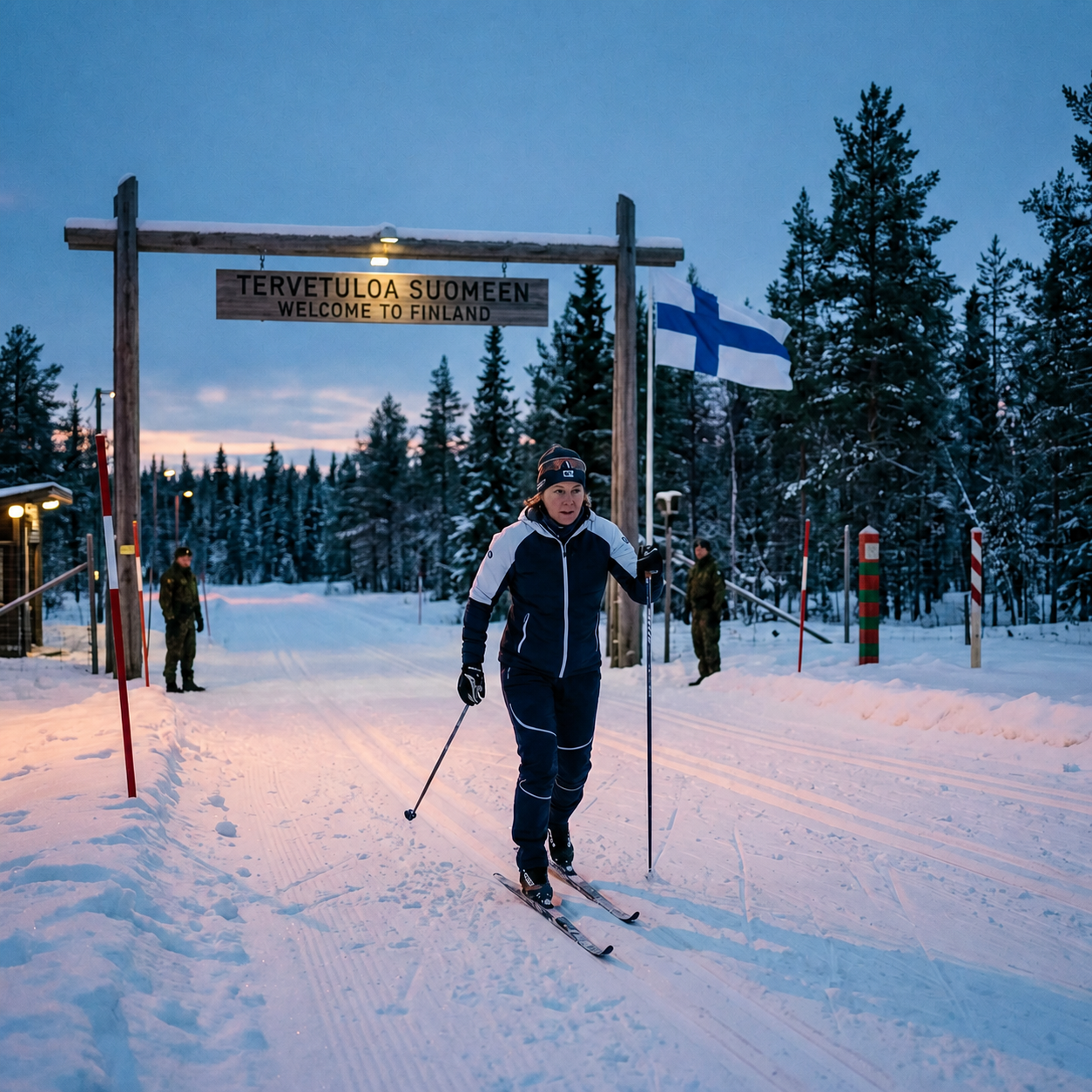
AI ajatus puhemies Xistä hiihtämässä Suomeen. Jännää, että kun yritn saada hiiht’äjäksi Nalle Puhin, ei algoritmi leikkinyt enää ollenkaan, vaan ilmoitti että sisältäö on vaarallista. Kiinan komukat rulettaa jälleen
Maanosamme muuttuneessa turvallisuustilanteessa on aika katsoa kaunistelematta sitä, mitä Pohjois-Suomessa todella tapahtui ja mitä tapahtuu edelleen.
Peking määritteli itsensä vuonna 2018 ‘near-Arctic stateksi’ eli arktisen alueen läheisyydessä sijaitsevaksi valtioksi. Samana vuonna Kiinan valtiollinen Polar Research Institute of China esitti Kemijärven kaupungille lentokentän ostamista tai vuokraamista arktisten tutkimuslentojen tukikohdaksi. Suomen Puolustusvoimien näkökulmasta sijainti oli hieman liian lähellä Rovajärven ampuma-aluetta, ja hanke torpattiin.
Suomen kunnissa tämä visio otettiin vastaan avosylin ja ilman turhia turvallisuuspoliittisia kysymyksiä. Noin vuosikymmen sitten Meri-Lapissa ja Kemijärvellä elettiin kiinalaisen pääoman huumaa. Kemi solmi näyttävästi ystävyyskaupunkisopimuksen Wuhanin kanssa vuonna 2016, ja pian alueella liikkui erilaisia liikemiehiä ja koordinaattoreita, kuten Oulun yliopistossakin vaikuttanut Weidong Xi, lupaamassa satojen miljoonien investointeja biotuotetehtaisiin, matkailuun ja puunjalostukseen.
Tästä kehityksestä räikeimpänä esimerkkinä toimi kiinalaisen Sunshine Kaidi Energy Groupin tytäryhtiö Kaidi Finland ja sen miljardiluokan biojalostamohanke Kemin Ajoksen satamaan. Kiinan Wuhanista johdettu konserni suunnitteli rakentavansa Kemin satama-alueelle jättimäisen biopolttoainetehtaan. Kemin kaupungille ja satamalle tarjottiin valmista kattausta: EU-tukiakin saanutta hanketta hehkutettiin maakunnassa jättipotiksi, joka toisi satoja työpaikkoja ja syventäisi Ajoksen meriväylää. Pohjoisen kunnanpäättäjille ja elinkeinoelämälle kiinalaiset miljoonalupaukset kelpasivat sellaisenaan.
Mutta oppitunti oli toinen: tällaisessa hankkeessa ei ole järkevää tarkastella pelkkää tehtaan tuotantoa. Kun ulkomainen toimija tavoittelee miljardiluokan hankkeella paikkaa kriittisen infrastruktuurin ääreltä, myös omistus, maankäyttö, logistiikka ja mahdollinen strateginen vaikutusvalta on syytä ottaa arvioinnissa huomioon. Lopulta Kaidin miljardihanke kuivui kokoon emoyhtiön talousvaikeuksiin ja epäselvyyksiin, mutta oppitunti oli selvä: kiinalaiselle osapuolelle kyse ei ollut pelkästä puunjalostuksesta, vaan strategisen jalansijan, maankäytön ja paikallisen vaikutusvallan rakentamisesta kriittisen infran äärelle. Lopussa kävi hyvin: Kemin kaupunki sai lunastaessaan Kaidin tontin takaisin hieman kipurahojakin.
Sama kaava toistuu akateemisessa maailmassa, mutta huomattavasti hienovaraisemmin ja vaarallisemmin. Kun tarkastellaan Kiinasta Suomeen suuntautuvaa opiskelija- ja tutkijavaihtoa, paljastuu järjestelmällisyys, jota on mahdotonta pitää sattumana. Suomalaiseen terveydenhuoltoon tai sairaanhoito-opintoihin ei kiinalaisia hakijatulvia juuri näy, vaikka alalla olisi huutava työvoimapula. Sen sijaan insinööritieteet, ohjelmistotuotanto, materiaalitekniikka ja erityisesti Oulun lippulaiva eli 5G- ja 6G-tietoliikennetutkimus vetävät puoleensa kiinalaisia opiskelijoita ja tutkijoita poikkeuksellisen paljon.
Maahanmuuttoviraston tilastot antavat tästä hieman kiinnostavamman kuvan. Kiina ei kuulu Suomen kansainvälisten opiskelijoiden suurimpiin lähtömaihin – viisi suurinta olivat tammi–syyskuussa 2025 Bangladesh, Nepal, Sri Lanka, Intia ja Pakistan. Kiinalaisten opiskelijoiden hakemusmäärä jopa laski edellisvuodesta. Työperäisessä maahanmuutossa kuva on toinen: Kiinan kansalaisten työperusteisten oleskelulupahakemusten määrä kasvoi samana aikana 11 prosenttia, ja peräti 36 prosenttia hakemuksista koski tutkijoiden oleskelulupia. Erityisasiantuntijoiden ensimmäisiä lupia haettaessa Kiina oli kolmanneksi suurin lähtömaa Intian ja Britannian jälkeen. Näistä luvista suurin yksittäinen toimiala oli atk-laitteisto- ja ohjelmistokonsultointi.
Tämä valikoivuus ei ole mikään opiskelijoiden henkilökohtainen mieltymyskysymys, vaan Pekingin valtionstrategian mukaisesti tarkkaan kohdennettua toimintaa. Kiinan tapauksessa on kuitenkin syytä kiinnittää huomiota siihen, miten koulutus- ja tutkimusyhteistyö osuu yhteen valtion strategisesti tärkeiksi määrittelemien teknologia-alojen kanssa.
Oulun yliopiston ja Nanjing Institute of Technologyn välinen laaja koulutusvientiyhteistyö ja ICT-alan yhteishankkeet ovat olleet Kiinalle suora väylä länsimaisen huipputeknologian ja teollisoikeuksien äärelle. Kyseessä on järjestelmällinen teollisuusvakoilu ja tietotaidon imeminen, joka on verhoiltu kansainvälisen akateemisen yhteistyön ja koulutusviennin kauniisiin raameihin.
Länsimainen tietokäsitys nojaa avoimuuteen, mutta Kiinan valtiorakenne nojaa tiedon keskittämiseen ja hyväksikäyttöön. Kiinan tiedustelulainsäädäntö asettaa kansalaisille ja organisaatioille velvoitteita tukea ja avustaa valtion tiedustelutoimintaa. Kun tähän yhdistetään Suomessakin toimivat kiinalaiset kulttuuri- ja opiskelijajärjestöt, jotka toimivat suoraan Kiinan kommunistisen puolueen Yhtenäisrintaman alaisuudessa, tuloksena on tehokas valvonta- ja tiedonkeruuverkosto.
Sinisilmäisyyden aika on ohi. Suojelupoliisi ja opetusministeriö ovat viimein heränneet jakamaan tiukempia ohjeistuksia, mutta vuosikymmenen aikana päästettyä etumatkaa on vaikea kuroa kiinni. Pohjois-Suomen kuntapäättäjien, yliopistojen ja teollisuuden on vihdoin ymmärrettävä, että maailmalla ei ole ilmaisia lounaita – eikä kiinalaisella investoinnilla tai opiskelijavaihdolla ole koskaan pelkkää opillista tai taloudellista tarkoitusta.
Elämme aikoja, jolloin tervettä järkeä joutuu puolustamaan lähes päivittäin. Viime ajat ovat kuitenkin tuoneet edes muutaman valonpilkahduksen byrokratian synkkään taivaaseen: EU:n järjetön, todellisuudesta vieraantunut lyijykieltohullutus vedettiin vihdoin takaisin.
Ajatus siitä, että ammunnan harrastajat, reserviläiset ja metsästäjät pakotettaisiin ekologisen utopian nimissä luopumaan toimivista ja edullisista lyijypatruunoista tilanteessa, jossa Euroopassa käydään mittavaa kulutussotaa, oli absurdiuessaan omaa luokkaansa. Onneksi todellisuus voitti ainakin vielä tällä kertaa piippuhyllyn direktiivit. Lyijy säilyy valikoimassa, ja hyvä niin – ilman edullista laukausmäärää ei ole ammattitaitoa, ja ilman ammattitaitoa ei ole uskottavaa ampumataitoa. Niin Raskasmetalleistahan mikään ei ole terveysvaikutteisia, vaikka mitä markkinoidaan.
Säätelykuume ehtymättömänä lähteenä
Vaikka lyijyrintamalla saatiin torjuntavoitto, sääntelykoneiston rattaat eivät pysähdy. Euroopassa käydään parhaillaan kiivasta keskustelua teräaseista. Saksa ja Iso-Britannia rajoittavat paniikissa kaikkien terien hallussapitoa vastauksena katuturvallisuuden romahdukseen – syyttäen työkalua itse ongelman sijaan. Britanniassa teräaseväkivalta on niin merkittävä ongelma, että siihen on vastattu jatkuvasti kiristyvällä teräaselainsäädännöllä. Huomatkaa, että kielto kantaa vaikkapa IKEAN leipäveistä mukana koskee vain niitä, jotka moisia kieltoja yrittävät noudattaa. Eivät Jihadisteja ja muita rikollisia.
Suomessakin kuulee ajoittain ääntelyä aselain “kehittämisestä” tai puukkojen määrittelemisestä pelkästään vaarallisiksi esineiksi. Suomalainen puukkokulttuuri ja eränkäyntiperinne nojaavat siihen, että teräase on työkalu, ei uhka. Mutta jos emme ole tarkkana, byrokraatin kynä vuotaa nopeasti myös meidän vyöllemme. Muistakaa antaa takapotkua aina, jos joku tällaisia kieltoja ehdottelee.
Lokakuun 7. päivän opetus ja Suojeluaseen tarve
Jos joku vielä epäilee siviilien ja reserviläisten aseenhallussapidon merkitystä, kannattaa kääntää katseet Lähi-itään ja vuoden 2023 lokakuun 7. päivän tapahtumiin.
Hamasin terroristit hyökkäsivät kibbutzeihin ja kyliin, joissa siviilien aseellinen itsepuolustus oli ennen hyökkäystä huomattavasti rajatumpaa kuin mitä Israelissa nähtiin 7.10. jälkeen. Osalta paikallisista turvallisuusryhmistä oli jopa poistettu aseita aiempina vuosina, eikä henkilökohtainen aseistautuminen ollut israelilaisessa yhteiskunnassa mikään erityisen muodikas tai helposti saavutettava asia.
Ne harvat kylät, joissa paikallisilla turvallisuusjoukoilla ja siviileillä oli rynnäkkökiväärit ja riittävästi patruunoita kotonaan, pystyivät taistelemaan vastaan ja pelastamaan perheensä. Ne, joilla ei ollut, joutuivat teurastettaviksi odottaessaan IDFn vakinaisen väen apua. Israel oppi läksynsä kerrasta: hyökkäyksen jälkeen maassa kevennettiin aselupakäytäntöjä välittömästi, ja kymmenettuhannet kansalaiset aseistautuivat.
Tämä oppi on otettava vakavasti myös meillä. Venäjän lisääntyvä painostus, pay-to-do sabotaasit ja Suojelupoliisin koholla pitämä terrorismin uhka (taso 3/5) piirtävät taululle karun todellisuuden: hybridi- ja iskumuodot kohdistuvat yhä useammin pehmeisiin kohteisiin, joissa ei ole sotilasosastoja tai poliisin panssariautoja. Turun vuoden 2017 puukkoisku muistutti karulla tavalla siitä, että pehmeää kohdetta vastaan hyökkääminen ei vaadi edes ampuma-asetta.
Tšekin malli: Olisiko aika koventaa pehmeät kohteet?
Aseasedirektiivin puitteissa Euroopasta löytyy esimerkillinen toimija: Tšekin tasavalta kirjasi kansalaistensa oikeuden aseelliseen itsepuolustukseen perustuslakiinsa ja mahdollistaa “oikean” aseenkannon (concealed carry) tietyt kriteerit täyttäville kansalaisille.
Kun radikaali-islamistinen terroristi tai sabotööri iskee siviilien keskelle massatapahtumassa tai kauppakeskuksessa, ensimmäiset 30 sekuntia ratkaisevat kaiken. Vaikka poliisin vasteaika Suomessa on kohtuullinen suuremmissa pitäjissä, viranomainen ei ole silti paikalla sekunnissa. Tšekin mallissa mahdollisuus siitä, että sivustasta löytyy koulutettu, laillisen aseensa kanssa liikkuva kansalainen, muuttaa hyökkääjän laskelmia ja reaktiomahdollisuuksia ratkaisevasti.
Suomen puolustus nojaa siihen, että satojatuhansia reserviläisiä pidetään riittävän luotettavina ja kykenevinä kantamaan rynnäkkökivääriä sota-aikana. Miksi samaan reserviläiseen ei voitaisi luottaa tarkasti säädellyn, tiukan ampumakokeen ja taustatarkastuksen läpäisseen suojeluaseluvan muodossa siviilissä, kun turvallisuustilanne ympärillä heikkenee?
Blue on blue -riski toki on olemassa, myös poliiseilla. Onneksi suomalainen reserviläinen saa sentään muutaman tunnistamisen kannalta hyödyllisen vihjeen: jos vastapuoli huutaa ‘Allahu Akbar’, ‘Maailman proletaarit, yhtykää!’ tai ‘Sieg Heil’, kyseessä ei ehkä ole Lihasulan Marttakerhon puheenjohtaja.
Kiitos teille, joilla on kaapissa tavaraa
Tässä kohdin on syytä lausua suora ja rehellinen kiitos.
Kiitos jokaiselle suomalaiselle reserviläiselle, ammunnan harrastajalle ja metsämiehelle, jonka kaapista löytyy asianmukainen ase ja vaikka se 500 patruunaa – kyllä niille aina käyttöä löytyy
Te ette ole uhka yhteiskunnalle, vaan te olette tämän maan todellinen peruskallio. Suomen maanpuolustus ja erityisesti maavoimat nojaavat miljoonaan reserviläiseen, mutta sen reservin ampumataito ja henkinen valmius ylläpidetään lauantai-iltapäivisin ampumaradoilla, syksyisillä hirvimetillä ja omalla ajalla ja rahalla hankituilla varusteilla.
Mitä enemmän tässä maassa on lainkuuliaisia, aseensa tuntevia ja niitä vastuullisesti säilyttäviä kansalaisia, sitä korkeampi on minkä tahansa hyökkääjän kynnys astua rajan yli. Pyssymiehen arki on turvallisuuskulttuurin ylläpitämistä – ei uhoamista, vaan hiljaista valmiutta.
Jokainen laillinen ase ja osaava ampuja tekee Suomesta vähän turvallisemman paikan.
Kun F-35-ohjelman ensimmäisiä koneita esiteltiin Rovaniemen rolloutissa 1.10.2026 suomalaiselle yleisölle, ilmassa oli tahattoman komiikan makua. Maailman edistyneimmäksi mainostettu häivehävittäjä ei meinannut päästä ilmaan, koska Pohjois-Suomen syyssää – melko tavanomainen, kostea ja viileä syyspäivä – osoittautui järjestelmille liian haastavaksi. Tällehän nauravat naurismaan aidatkin.
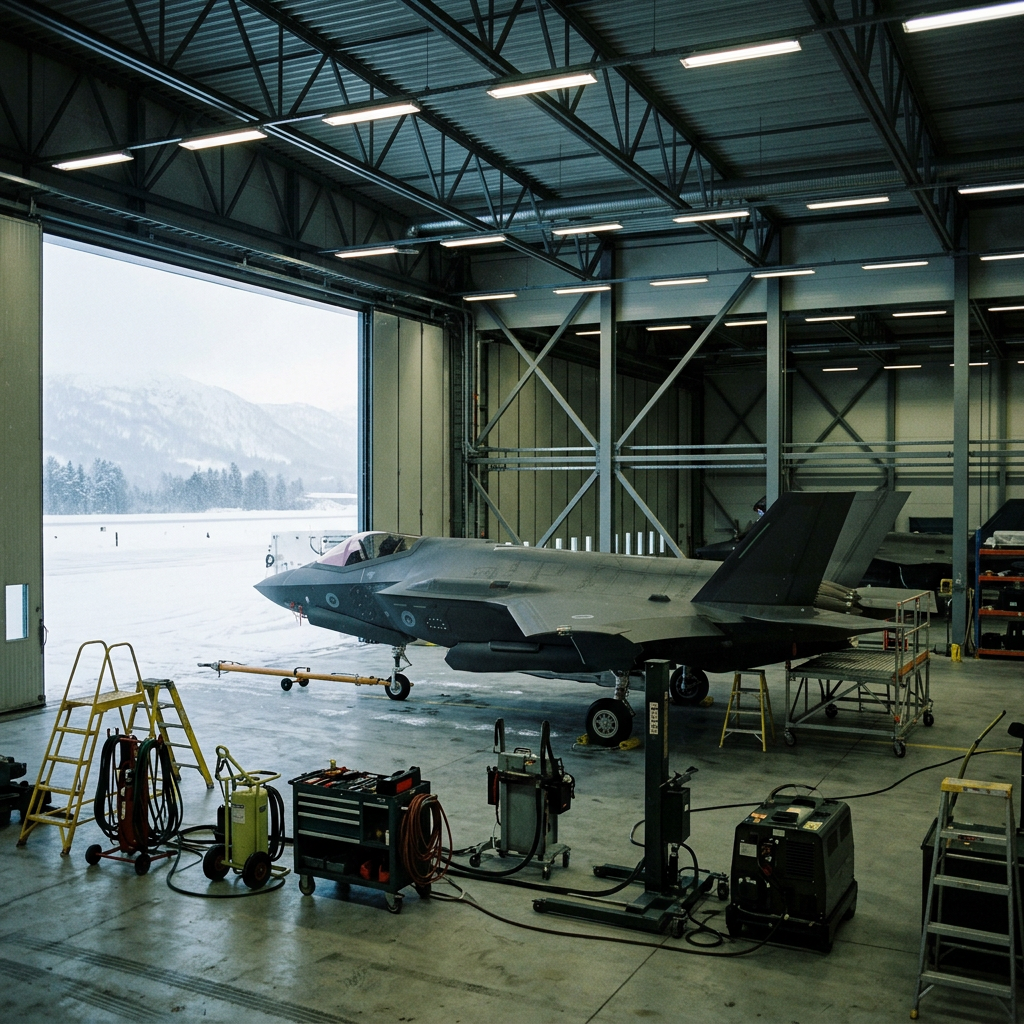
AIn ajatus F-35 koneesta huollossa. On Rovaniemen vaarat ainakin komiammat tässä kuvassa. F-35 on loistopeli, kun kaikki toimii, mutta varaosatoimistusongelmat uhkaavat tehdä pahaa hallaa koko ohjelmalle.
Onneksi tilanne ei materialisoitunut laajaksi katastrofiksi silloin, mutta tapaus, ja “vähäiset avioniikka ongelmat” siirtolennolla USAsta Suomeen, toimi enteellisenä muistutuksena siitä, mitä tapahtuu, kun teknologinen monimutkaisuus viedään äärimmilleen. Nyt kun F-35-laivueet paisuvat eri puolilla maailmaa, pölyttynyt ikävä arki on saavuttanut ilmailufantasiat.
RAND Corporationin U-käännös: “Yhteinen kone säästää” oli myytti
Joint Strike Fighter (JSF) -ohjelman alkuperäinen lupaus oli yksinkertainen ja houkutteleva: rakennetaan yksi yhteinen konetyyppi kaikille aselajeille, niin kehitys- ja hankintakustannuksissa säästetään miljardeja. Tässä alkuperäinen RAND raportti asiasta. Siellä oli, RANDin kunniaksi on mainittava disklaimereita siitä, että välttämättä rahaa ei säästy ja koneiden commonality, siis yhteiset komponentit eivät todennäköisesti pääse 75-90% tasolle. Ei saatu ja ei päästy.
Nyt sotilasanalyysijätti RAND Corporation ja Yhdysvaltain ilmailuasiantuntijat ovat joutuneet tekemään ei pelkästään U-käännösken vaan täydellisen käkkäri U-käännöksen. RANDin ja muiden riippumattomien tahojen uusissa analyyseissa on todettu, että ajatus “yhdestä yhteisestä rungosta” ei säästänyt rahaa. Päinvastoin – se teki ohjelmasta kalliimman kuin jos jokaiselle aselajille olisi suunniteltu oma, tiettyyn tehtävään optimoitu koneensa.
Eri aselajien (ilmavoimat, merivoimat, merijalkaväki) ristiriitaiset vaatimukset pakotettiin samaan muottiin, mikä johti äärimmäiseen insinöörikompleksisuuteen. Säästöjen sijaan tuloksena oli viivästyksiä, teknisiä valuvikoja ja räjähtäneet kustannukset. Ja niin. USAF on jo ostanut F-15EX koneita ja ilmeiseti myös F-16 koneita tilataan uudet sarjat. ON PAKKO, muuten ollaan hupinassa, jos Kiina alkaa öyhöttää. Ja hyvinpä nuo F-16 vanhemmatkin mallit ovat Ukrainassa pärjänneet (mutta siitä joku toinen kerta).
Kolme erilaista konetta samassa valepuvussa
Paperilla F-35A, F-35B ja F-35C jakavat saman nimen ja näyttävät, kaukaa katsottuna, lähes samalta. Todellisuudessa kolmen optimoidun alustan sijaan saatiin kolme suurimmaksi osaksi erilaista alustaa, joilla on yllättävän vähän yhteisiä rakenneosia: Suunnittelun lähtökohtana oli, GAOn raportin mukaan 62% yhteisosat (commonality), mutta se oli laskenut 2006 noin 40 prosenttiin. Täsmennän vielä, että viittaan MEKAANISEEN-, ja osin, ohjelmistopuoleen tässä. Osa hallintajärjestelmistä toimii 1:1 eri versioiden välillä.
F-35A (Ilmavoimien perusmalli): Perinteiselle kiitotielle suunniteltu kevein ja suorituskykyisin versio.
F-35B (Merijalkaväen malli): Koneeseen piti mahduttaa massiivinen nostopuhallin (lift fan) ja kääntyvä suutin lyhyttä nousua ja pystysuoraa laskeutumista varten. STOVL-vaatimukset olivat yksi koko JSF-perheen suunnittelua voimakkaasti määrittäneistä lähtökohdista.
F-35C (Tukialusmalli merivoimille): Vaatii lentotukialusoperointia varten huomattavasti isommat siivet, taitettavat siipien kärjet, vahvistetun laskutelineen ja puskukoukun.
Lopputuloksena eri versioiden välinen osien yhteensopivuus (commonality) jäi murto-osaan luvatusta. Rungot ja ohjelmistot jouduttiin eriyttämään, mikä moninkertaisti huollon monimutkaisuuden.
Globaali 20–25 % käyttövalmius vs. Israelin 90 %
Monimutkaisuus näkyy tylysti koneiden käyttövalmiudessa (Availability Rate). Millennium7-kanavan ja useiden riippumattomien raporttien perkaama todellisuus paljastaa, että globaalissa F-35-laivastossa täyden tehtävävalmiuden luvut ovat liikkuneet ajoittain masentavassa 20–25 prosentissa. GAO:n mukaan F-35-laivaston Mission Capable Rate oli vuonna 2025 enää 44 prosenttia ja Full Mission Capable Rate 25 prosenttia.
F-35:n keskitetyn huolto- ja logistiikkajärjestelmän, ensin ALISin ja sittemmin sen seuraajaksi rakennetun ODIN/GSS-kokonaisuuden, ongelmat ovat olleet yksi ohjelman pitkäaikaisista ylläpitohaasteista. Ja tätä kirjoitettaessa 5.10.2026 yksi Suomen kolmesta ensimmäisestä F-35A-koneesta on edelleen Azoreilla. Ilmavoimien mukaan JF-511 tuodaan Suomeen seuraavan kone-erän mukana syksyn aikana.
Samaan aikaan yksi maa tekee täydellisen poikkeuksen: Israel ja sen F-35I Adir -laivue saavuttavat toistuvasti yli 90 prosentin käyttövalmiuden.
Israel teki hankintavaiheessa sen, mitä muut eivät uskaltaneet: se kieltäytyi alistumasta Yhdysvaltojen keskitettyyn pilvihuoltojärjestelmään. Israel vaati ja sai luvan asentaa omat järjestelmänsä sekä huoltaa, koodata ja ylläpitää koneensa itsenäisesti omalla maaperällään. Suomi neuvotteli laajemman paketin kuin muut maat, joten Suomessa päästäneen korkeampaan tulokseen kuin alla olevassa taulukoossa.
Tässä on vertailutaulukko eri hävittäjätyyppien ja niiden versioiden keskimääräisistä Yhdysvaltain asevoimien käyttövalmiusasteista (Availability Rate / Mission Capable Rate). Luvut perustuvat pääosin Yhdysvaltain ilmailuhallinnon, Pentagonin GAO-raporttien (Government Accountability Office) ja julkisten sotilasanalyysien pitkän aikavälin keskiarvoihin.
Hävittäjätyyppi & versio
Käyttövalmiusaste (Mission Capable Rate)
Huomiot & pääsyyt valmiusasteeseen
F-35A (Conventional)
50 – 55 %(Täysi taistelukunto / Full Mission Capable usein ~30 %)
kärsii ALIS/ODIN-järjestelmän ongelmista ja Pratt & Whitney F135 -moottorien varaosapulasta.
F-35B (STOVL / Pystysuora)
40 – 45 %
Nostopuhallinkoneiston ja monimutkaisen mekaanisen rakenteen vuoksi vaativin huollettava.
F-35C (Tukialusmalli)
45 – 50 %
Merellinen korroosio ja suuremman siipipinta-alan mekaniikka lisäävät huoltotunteja.
F-15C/D Eagle
45 – 55 %
Ikääntyvä runko ja rakenneväsymys laskevat valmiutta, korvataan vähitellen EX-mallilla.
F-15E Strike Eagle
60 – 65 %
Raskas monitoimikone, jonka valmiusastetta pitää ylhäällä vakiintunut ja toimiva varaosaketju.
F-15EX Eagle II
70 – 80 %
Uusinta tuotantoa; moderni avioniikka ja valmis huoltolinja pitävät valmiuden korkealla.
F-16C/D Fighting Falcon
65 – 70 %
Maailman testatuin ja luotettavin 4. sukupolven työjuhta; globaali varaosaketju toimii varmasti.
F-16V (Block 70/72)
75 – 80 %
Uudistettu avioniikka ja uudet rungot takaavat erinomaisen saatavuuden.
F/A-18C/D Legacy Hornet
45 – 55 %
Elinkaarensa ehtoopuolella; vaatii runsaasti huoltotunteja per lentotunti (esim. Suomen MLU2-koneet pärjäävät globaalia keskiarvoa paremmin).
F/A-18E/F Super Hornet
60 – 65 %
US Navyn ponnistusten myötä saatu nostettua aiemmasta ~50 % tasosta kriittisen 60–65 % rajan yläpuolelle.
Keskeiset havainnot taulukosta:
4. sukupolvi vs. 5. sukupolvi: Vakiintuneet 4. sukupolven alustat (kuten F-16 ja F-15E/EX) säilyttävät tasaisesti 65–80 % käyttövalmiuden, koska niiden mekaaniset osat ja huoltoketjut ovat kypsyneet vuosikymmenten aikana.
F-35-perheen sisäiset erot: F-35A on laivueen luotettavin, mutta B- ja C-mallien mekaaninen kompleksisuus (erityisesti B-mallin lift fan) vetää koko ohjelman tilastoja alaspäin.
Partial vs. Full Mission Capable: F-35:n kohdalla on tärkeää muistaa ero: kone saattaa olla “Mission Capable” (pystyy lentämään jonkin perustehtävän), mutta “Full Mission Capable” (kykenee suorittamaan kaikki sota-ajan tehtävänsä häive- ja sensorijärjestelminään) putoaa usein 20–30 prosentin maastoon.
Muut ostajamaat joutuvat selviytymään miten taitavat:
Australia ja Iso-Britannia pitävät kynsin hampain kiinni 4.5. sukupolven rinnakkaiskalustostaan (Super Hornet, Typhoon) varmistaakseen, että ilmaan on heittää jotain silloin, kun F-35-varaosajono ei liiku.
Norja ja Hollanti ovat täysin riippuvaisia kansainvälisestä huoltoketjusta, mikä on johtanut lentotuntien leikkauksiin ja harjoitusalituksiin varaosapulan vuoksi.
Tämä johtaakin absurdiin kierteeseen: jos F-35:n käyttövalmius on neljännes luvatusta, pienten maiden on joko hyväksyttävä suorituskyvyn romahdus tai ostettava LISÄÄ F-35-koneita, jotta saavutetaan edes tarvittava minimimäärä lentotunteja. Kestämätön kierre, joka hyödyttää lähinnä valmistajan kassaa.
Suomen kysymys: Kuinka kauan voimme luottaa Hornetiin?
Julkisessa keskustelussa kysytään usein, kuinka kauan “on pakko” lentää vanhenevalla F/A-18C Hornet -kalustolla. Oikea ja huomattavasti kriittisempi kysymys kuuluu: kuinka kauan voimme luottaa näihin meitä erinomaisesti palvelleisiin koneisiin?
Suomen Puolustusvoimien suunnitelmissa Hornetit poistetaan käytöstä asteittain vuoteen 2030 mennessä. Mutta jos F-35-järjestelmän globaali käyttövalmius tökkii, syntyy vaarallinen vaje: 64 F-35-koneen laivueesta vain murto-osa saattaa olla kerrallaan ilmassa, jolloin Ilmavoimien vuotuiset lentotunnit ja lentäjien tuntuma jäävät auttamatta liian alhaisiksi.
Kaksi mittavaa elinkaaripäivitystä (MLU1 ja MLU2) läpikäynyt Hornet-kalusto on mekaanisesti tuttu ja kotimaisella huoltovarmuudella ylläpidetty työjuhta. Hornetien liian hätäinen eläköittäminen kalenterin perusteella tilanteessa, jossa korvaavan järjestelmän saavutettavuus yskittelee, olisi suorituskyvyn vaarantamista.
Lopuksi
Rovaniemen rolloutin sääsekoilu oli pientä verrattuna siihen, mitä globaalin logistiikkaketjun sakkaaminen tarkoittaa poikkeusoloissa. Suomen 64 koneen F-35A-hankinta nojaa ajatukseen hajautetusta maantietukikohtatoiminnasta.
Jos koneen huoltaminen vaatii jatkuvaa digitaalista napanoraa Yhdysvaltoihin ja jokainen erikoiskomponentti kulkee globaalin “just-in-time” -ketjun läpi, järjestelmä on kriisissä haavoittuva. Suomen on otettava oppia Israelin tiestä: aito kansallinen ylläpitokyky, omat varaosavarastot ja riittävä omavaraisuus eivät ole ylellisyyttä – ne ovat elinehto. Muuten käy niin, että Pohjolan syys ja globaali bittisolmu pitävät miljardikaluston tontissa pahemmin kuin yksikään vastustaja.
Länsimaisessa turvallisuuskeskustelussa toistuu vaarallinen illuusio: Venäjän hybridi-iskut, infrastruktuurin kartoitus ja kansanedustajien kohdistettu häirintä kehystetään edelleen erillisiksi, satunnaisiksi poikkeustilanteiksi. Todellisuudessa kyseessä on järjestelmällinen, jatkuva ja oppikirjan mukainen operatiivinen kokonaisuus, jolla on selkeä komentoketju ja strateginen päämäärä.
Kun kytketään toisiinsa informaatiovaikuttaminen, fyysinen soluttautuminen ja operatiivinen historia, muodostuu kirkas kokonaiskuva siitä, mitä Suomessa ja Pohjolassa tapahtuu juuri nyt.
1. Oppikirjan vanha luku: Suomenlinnasta Eduskuntaan
Nyt nähtävä toiminta ei syntynyt tyhjiössä. Samaa kissa ja hiiri -peliä on pelattu Suomen maaperällä jo Kaukasian sotien aikana. Tshetsheenien Kavkaz Center -sivustoa isännöinyt IT-yrittäjä sai tuta täsmälleen saman kaavan asuessaan Suomenlinnassa:
Jälkiä jättämätön sisääntulo: Asuntoihin ja tiloihin mentiin ammattimaisesti sisään ilman perinteisiä murtojälkiä tai tiirikoinnin merkkejä.
Psykologinen viesti: Arvoesineitä ei viety. Tavoite oli osoittaa kohteelle ja viranomaisille: “Me pääsemme minne haluamme ja milloin haluamme.”
Eduskuntaan ja kriittiseen infrastruktuuriin kohdistuvissa tempauksissa käytetään samaa sapluunaa. Kyseessä ei ole satunnainen pikkurikollisuus tai maksettu “pay-per-do” -teini, vaan ammattimaisesti johdettu toiminta, jossa testataan sekä kohteen henkistä sietokykyä että viranomaisten valvontakykyä.
2. Operatiivinen profiili: Kuka, mistä ja millä papereilla?
Jos ilmiötä perataan operatiivisella tasolla, palaset loksahtavat paikoilleen:
Etsitty profiili: Tällaisia operaatioita ei johda mikään trollitehdas. Toiminnan takana ovat venäläiset everstiluutnantti ja everstitason kenttäupseerit – GRU:n (erityisesti erikoisyksiköt kuten 29155) tai SVR:n (Z-osasto) vanhemmat organisaattorit. Sellaiset noin nelikymppiset jannut jolla pokka ja mentaalipuoli kestää.
Tuloreitit: Rajan ollessa kiinni operatiivinen reititys kulkee Schengen-alueen sisärajojen kautta. Suorin ja näkymättömin väylä on rahti- ja henkilöautoliikenteen virrassa Tallinnasta Helsinkiin tai Saksan ja Baltian poikittaisliikenteen kautta ilman kiinteitä rajatarkastuksia. Baltiassa pääsee huolellinen ja rauhallinen kaveri kyllä vieläkin ilman virallista paperisouvia EUn/ NATOn puolelle, ja rajan tällä puolella löytyy kyllä maanmiehien auttajia ihan oikeasti.
Peiteasiakirjat syynäykseen: Salisbury-iskuissa (Skripalin myrkytys) paljastui GRU:n tapa käyttää määrättyjä venäläisiä passisarjoja ja fiktioidentiteettejä. Länsimaisten viranomaisten pitäisi syynätä poikkeuksellisella tarkkuudella sellaisia matkustusasiakirjoja, joiden henkilöhistoria on luotu tyhjästä ilman aitoa digitaalista jalanjälkeä.
3. Kolmelle yleisölle rakennettu valhe
Fyysisen häirinnän rinnalla ajaa aina informaatio-operaatio. Moskovan virallinen viestintä ei ole pelkkää Nato-kiukuttelua, vaan se on räätälöity kolmelle eri kohderyhmälle:
Kotimainen yleisö (Venäjä): Suomesta rakennetaan kuvaa “revansistisena” ja aggressiivisena vihollisena. Kaava on täysin sama kuin Ukrainaa vastaan vuonna 2021. Moskova joko valmistaa omaa kansaansa tulevaan konfliktiin tai suorittaa maskirovkaa vetääkseen huomion pois Baltiasta.
Suomen kansa ja päättäjät: Sijaisagentit, GPS-häirintä ja kansanedustajien maalituskampanjat pyrkivät syövyttämään luottamusta päätöksentekojärjestelmään ja luomaan pelon ilmapiiriä.
Länsiliittolaiset: Pyritään luomaan kuvaa Suomesta epävakaana reunavaltiona, jonka puolustamiseen ei kannata sitoa liikaa voimavaroja.
Lännen ja Suomen suurin ongelma on strateginen passiivisuus. Määritämme turvallisuuden iskujen absorbointina: reikiä paikataan, laitteistoja korjataan ja lopuksi julkaistaan syvää huolta ilmaiseva tiedote. Venäjälle tämä sopii – se laskee reaktiomme pelkäksi laskennalliseksi toimintakustannukseksi.
Aito pelote syntyy vasta silloin, kun vastustajan laskelma muuttuu:
Lain taakse piiloutuminen on toiveajattelua: Juridiset tulkinnat (kuten kansainvälisen oikeuden Nicaragua-ratkaisu) eivät pysäytä harmaan alueen sodankäyntiä. Vastustaja ei kunnioita lakipykäliä, vaan hyödyntää meidän halvaannustamme niiden edessä.
Ennalta-arvaamaton vastausvalikko: Venäjälle ei pidä antaa valmista luetteloa siitä, mikä teko aiheuttaa minkäkin vastatoimen. Vastatoimien (asymmetriset verkkotoimet, varjolaivaston kovat tarkastukset merilainsäädännön rajoissa, tiukemmat diplomaattikarkotukset) täytyy olla varmoja, mutta muodoltaan ja ajoitukseltaan ennalta-arvaamattomia.
Johtopäätös
Ainoastaan kilpeen nojaaminen ei ole pelotetta – se on aloitteen luovuttamista viholliselle. Venäjä lopettaa harmaan alueen häirinnän, infrastruktuurin kartoituksen ja kansanedustajien maalituksen vasta sitten, kun se tietää, että jokaisesta iskusta seuraa todellinen, tuntuva ja ennalta-arvaamaton hinta.
Päättäjien ja liittolaisten on kysyttävä itseltään: kuinka paljon epävarmuutta olemme valmiita luomaan Moskovaan siitä, missä kohtaa meidän sietokykyymme tulee raja?