
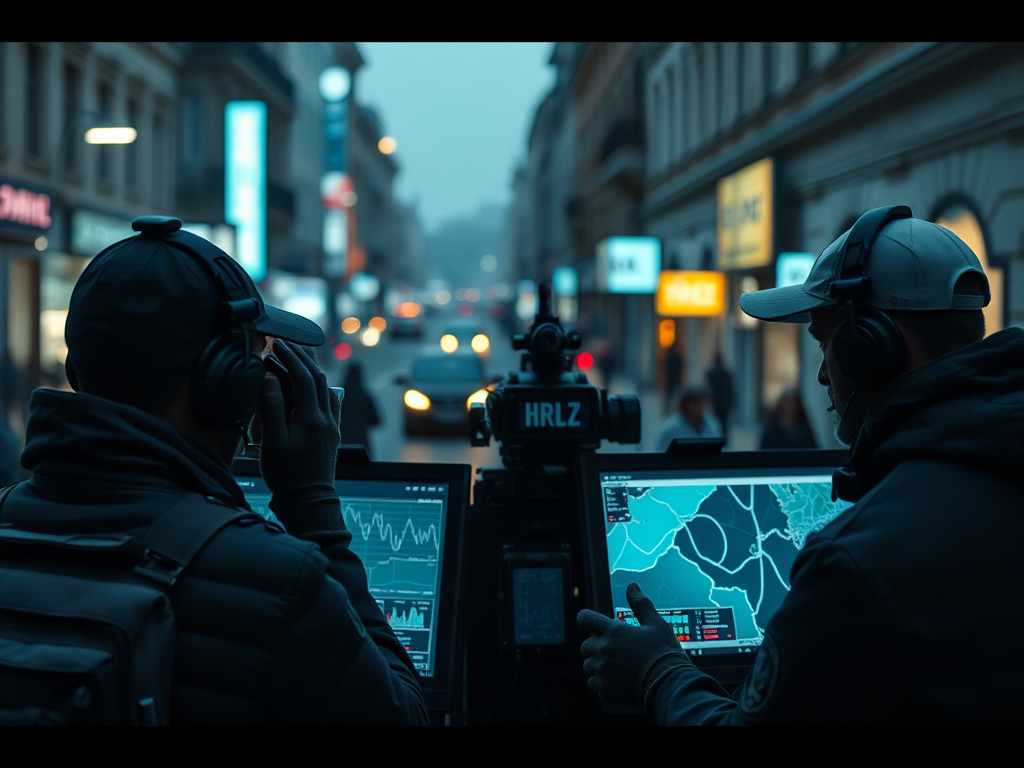
As of January 2026, the global security landscape is no longer just “complex”—it is fracturing. For Finland, a nation that recently sought shelter in the Western security architecture, the timing could not be more challenging. From the diplomatic “deep freeze” with Israel to the sudden trade war over Greenland, the old certainties of the transatlantic alliance are under unprecedented strain.
Let’s dissect the three primary fault lines that are currently redefining the safety of the European home front.
1. The Israel-EU Intelligence Rift: A Surgical Cut
The bedrock of counter-terrorism in Europe has long been the proactive sharing of intelligence from Israel. However, following the recognition of a Palestinian state by several European powers, Israel has moved into a “strategic freeze.”
While Finland has officially maintained a more cautious, neutral stance compared to nations like Spain or Ireland, the ripple effects are unavoidable. As European security services become more “reactive” due to decreased Israeli data, Finland finds itself in a delicate balancing act—trying to maintain its own bilateral intelligence channels while the wider EU-Israel relationship deteriorates.
Table 1: Israel-EU Intelligence Cooperation Status (January 2026)
| Country / Bloc | Palestinian Recognition | Israel’s Security Stance | Impact on Intelligence Flow |
| Ireland / Spain | Yes (May 2024) | Hostile / Recalled Envoys | Major reduction; restricted to “imminent life-safety” alerts. |
| UK / France | Yes (Sept 2025) | Severely Strained | End of joint long-term strategic planning. |
| Finland | Not officially | Cautiously Functional | Stable but transactional. Bilateral ties remain, but proactive “tips” are fewer. |
| Germany | No | Excellent | Deepening; Germany now acts as the primary “bridge” for EU-Israel intel. |
| USA | No | Historic Heights | Enhanced via “Pax Silica” (AI and tech-centric security). |
2. The Greenland Crisis: A NATO Civil War?
Perhaps more shocking is the sudden friction within NATO. President Trump’s re-asserted claim on Greenland has sparked a “trade war among allies.” Following the Danish-led “Operation Arctic Endurance,” the US imposed 10-25% tariffs on eight European nations on January 17, 2026—including Finland.
For Helsinki, this is a strategic nightmare. Greenland represents the fundamental principles of sovereignty and territorial integrity—the very things Finland joined NATO to protect.
Table 2: The Greenland Crisis and Arctic Security Impact
| Actor | Position on Greenland | Retaliatory Measures | Impact on Finland |
| USA | “National Security Necessity” | 10% Tariffs (rising to 25%) | Hits Finnish tech and machinery exports; erodes trust in NATO’s Article 5. |
| Denmark / EU | “Non-Negotiable Sovereignty” | Potential “Trade Bazooka” (Anti-Coercion) | Finland stands in solidarity with Denmark; risk of economic “downward spiral.” |
| Finland | Supportive of Denmark | Diplomatic Dialogue | President Stubb warns this is the “greatest challenge” to Finnish interests. |
3. Saudi Arabia and the “Post-Wahhabi” Era
Amidst these rifts, a quieter transformation is happening in the Gulf. Saudi Arabia, under Vision 2030, is dismantling the Wahhabi influence that once fueled radicalism in European suburbs. While the Kingdom has recalled many overseas Imams and cut funding for fringe mosques, the “ideological residue” remains a concern for Finnish authorities.
The threat has shifted from state-sponsored radicalization to “home-grown” actors and decentralized networks that are harder to track without the robust Middle Eastern intelligence we are currently losing.
This table reflects a security-services-centric assessment, not a diplomatic consensus.
Table 3: Regional Actors and Global Terror Influence (2026)
| State | Primary Method | Current Strategy | Risk Level to EU/Finland |
| Iran | Direct Control | Proxy wars (Hezbollah, Houthis) | Critical: High risk of “commissioned” attacks on Western interests. |
| Qatar | Facilitation | Diplomatic “hub” for Islamist groups | High: Shelter for leaders of groups like Hamas. |
| Saudi Arabia | De-radicalization | Suppressing Wahhabism for investment | Decreasing: Moving toward “Moderate Islam” and national stability. |
The Bottom Line for the Home Front
The combination of a “frozen” intelligence tap from Israel and a trade-driven rift with the US over Greenland leaves Europe—and Finland—more vulnerable than it has been in decades. While jihadi “tourism” to Syria has slowed, the “freezer” cells left behind by ISIS and the rise of “lone wolf” actors radicalized by current Middle East tensions remain a significant threat.
Without the “early warning” systems typically provided by Israeli and US cooperation, the burden falls entirely on domestic services like SUPO. In a world of 25% tariffs and diplomatic recalls, the question is no longer just who the enemy is, but who we can still trust to help us see them coming.
This video provides additional context on how shifting Middle Eastern alliances are affecting European defense policies and the broader geopolitical landscape.
Scope and Limits
This analysis is based on open-source reporting, publicly observable diplomatic signals, and informed assessment of security-service behavior patterns rather than classified intelligence or official policy statements. Where precise confirmation is unavailable, conclusions reflect high-confidence analytical judgment, not formal attribution or declared government positions. The intent is not to predict specific incidents or assert inevitability, but to map structural shifts and emerging constraints that materially affect Finland’s and Europe’s security environment as of early 2026. As with all rapidly evolving geopolitical dynamics, individual elements may change faster than the underlying trends described here
Yhteenveto suomalaiselle lukijalle
Tämä analyysi ei ole spekulaatiota eikä tulevaisuuden ennustamista, vaan tilannearvio perustuen avoimiin lähteisiin, havaittavaan valtioiden käyttäytymiseen ja turvallisuusviranomaisten vakiintuneisiin toimintamalleihin. Keskeinen johtopäätös on yksinkertainen: Suomen ja Euroopan turvallisuusympäristö on heikentynyt samanaikaisesti useasta suunnasta, eikä kyse ole yksittäisestä kriisistä vaan rakenteellisesta muutoksesta.
Israelin ja Euroopan välisen tiedusteluyhteistyön jäätyminen ei tarkoita välitöntä katkoa, mutta se on muuttanut yhteistyön luonteen reaktiiviseksi. Tämä heikentää ennakkovaroitusta erityisesti jihadistiseen terrorismiin liittyen. Suomen kahdenväliset suhteet ovat toistaiseksi säilyneet toimivina, mutta ne eivät voi korvata laajamittaista, ennakoivaa tiedonvaihtoa.
Samaan aikaan Yhdysvaltojen ja Euroopan välinen ristiriita Grönlannista osoittaa, että NATO ei ole immuuni sisäisille valtakamppailuille eikä taloudelliselle painostukselle. Suomelle tämä on strategisesti vakavaa: liittokuntaan liittymisen perusolettama – yhteinen näkemys suvereniteetista ja koskemattomuudesta – on ensimmäistä kertaa avoimesti kyseenalaistettu liittolaisen toimesta.
Lähi-idässä Saudi-Arabian suunnanmuutos on vähentänyt valtiollisesti tuettua radikalismia, mutta uhka ei ole kadonnut. Se on siirtynyt hajautettuihin, paikallisiin ja vaikeammin havaittaviin muotoihin, joiden torjunta edellyttää juuri sitä ennakkotietoa, jota Euroopalla on nyt aiempaa vähemmän käytettävissään.
Yhteisvaikutus on Suomelle epäedullinen. Kun ulkoinen tiedustelutuki heikkenee ja liittolaissuhteisiin syntyy epävarmuutta, vastuu siirtyy yhä selvemmin kotimaisille viranomaisille. Tämä ei ole paniikin aihe, mutta se on realiteetti, joka on tunnistettava. Kysymys ei ole siitä, kuka uhkaa Suomea, vaan siitä, kuinka ajoissa uhkat havaitaan – ja kenen kanssa tieto niistä jaetaan.

 Epämuodikkaita ajatuksia