
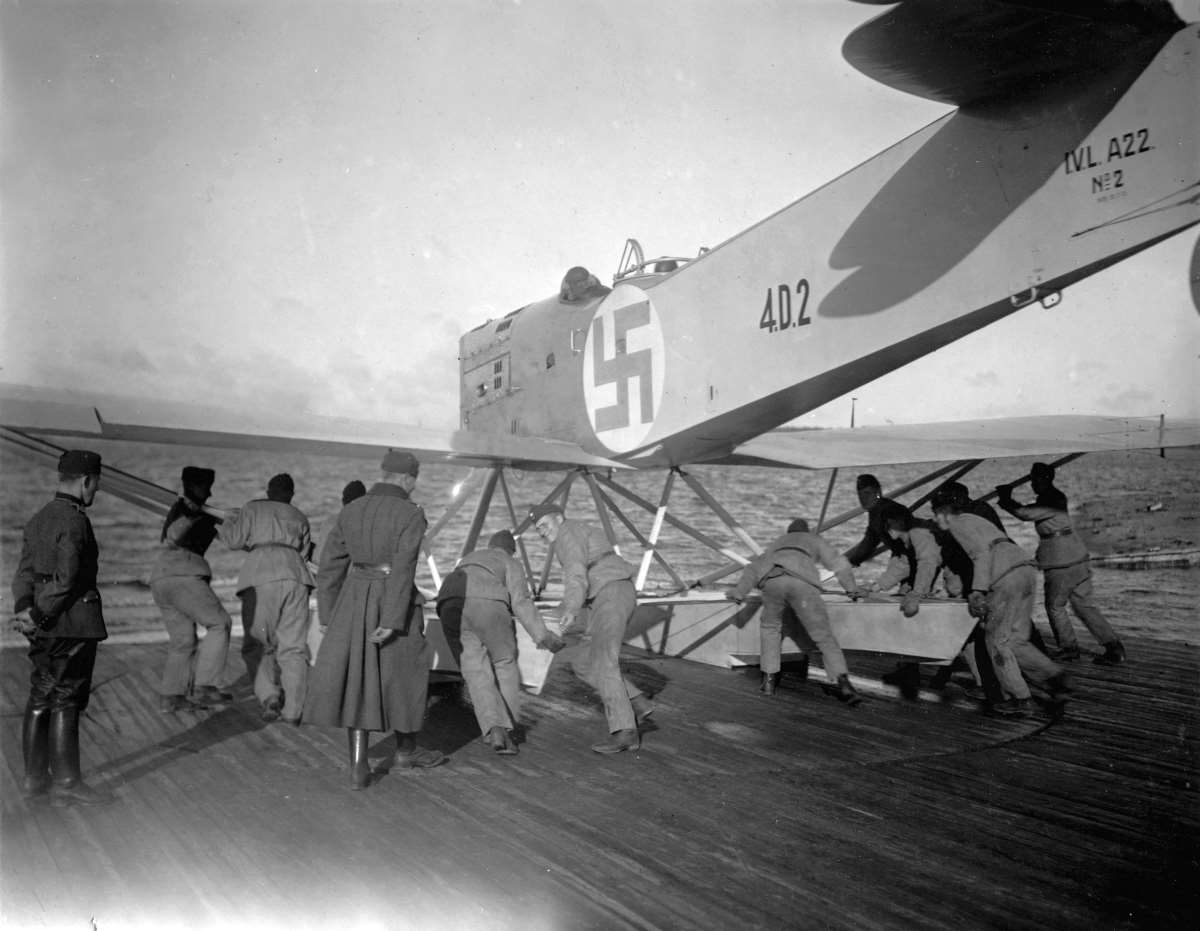
I have never met my paternal grandfather, He passed on when my father was in tender age of six, so I have no personal recollections of him. My aunts and uncles have given me some of their recollections and thus I know that he was quite an avid shooter in his day. He was a Lentomestari, which can be roughly translated as Air force Master flight sergeant. So he flew all his career planes adornet with blue swastika or hakaristi.
In fact I my late uncle gave me his fathers .22lr single shot rifle when I turned into age when I could get my own licence. It is a rifle I may pass on to my children eventually. Both my grandfather and my uncle were really avid shooters and particularly my Grandfather had tens of spoonsh and other knicknaks he had won while he was in the military. They all had Airforce Hakaristi, or a swastica.
So I have, to honour him and and maybe educate you, esteemed reader, about subtle but important changes in religious and personal emblems. And I have made it my point of teaching all the schoolkids who come to my class to know the difference between Nice Finnish Hakkaristi and Naughty German Hakenkreuz.
If you look at the history of Finnish military aviation, you will encounter symbols that might shock a modern, international audience. But history is rarely as simple as a first glance suggests. To understand the Finnish “Swastika,” you have to understand the language of colors and the intent of a small nation fighting for its life.
The Color of Intent: White vs. Red
Let’s start with a symbol everyone thinks they know: the Star.
In the history of aerial warfare, the star has been the most common insignia, but its meaning changes completely depending on its color.
- The “Good” White Star: The United States chose the white star. White represents Peace, sincerity, purity and innocence. In the chaos of the World Wars, that white star was a beacon of the “Free World.” It stands for a system built on individual liberty and the defense of democracy.
- The “Evil” Red Star: The Soviet Union (and later other totalitarian regimes) chose the Red Star. Red is the color of revolution, class struggle, and the blood of those crushed by the collective machine. It represents a system where the individual is secondary to the state.
The Finnish Logic: Why We Chose Blue and White
The Finnish Air Force was born in March 1918. At that time, Finland was a brand-new nation fighting a bloody civil war to remain independent from the collapsing Russian Empire.
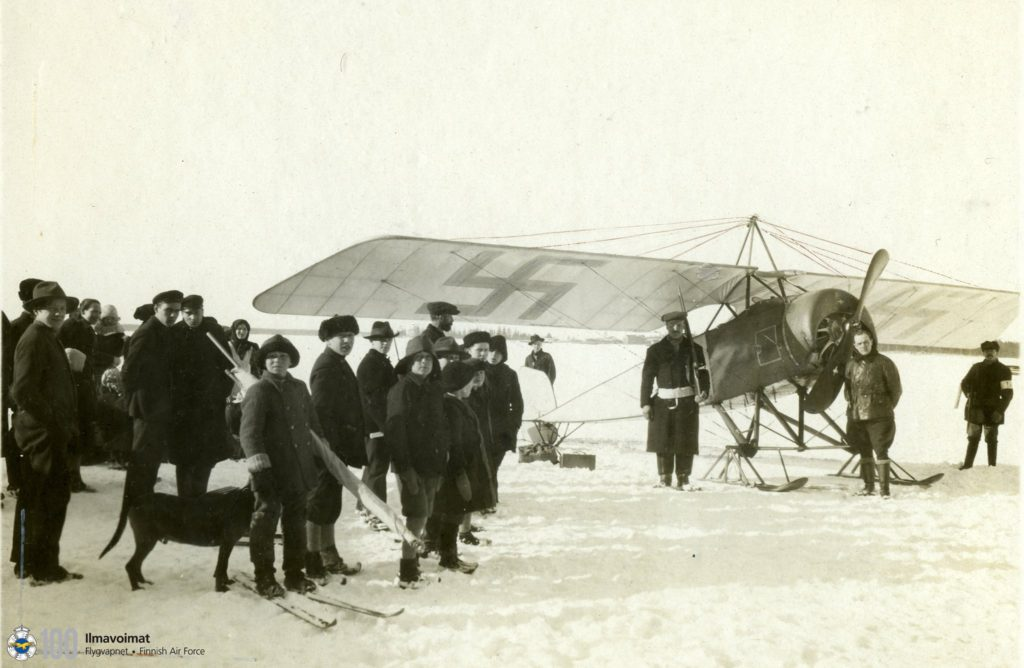
A Swedish Count, Eric von Rosen, donated our very first aircraft. On its wings, he had painted his personal luck charm: a blue swastika.
This was two years before the Nazi party even existed in Germany. For Finns, the symbol was never about politics; it was about the luck needed to survive in the freezing North. We followed the same “Western” logic as the Americans:
- Blue: The color of our thousands of lakes and the clear winter sky.
- White: The color of the snow that covers our land.
The “Good” Swastika vs. The “Evil” Hakenkreuz
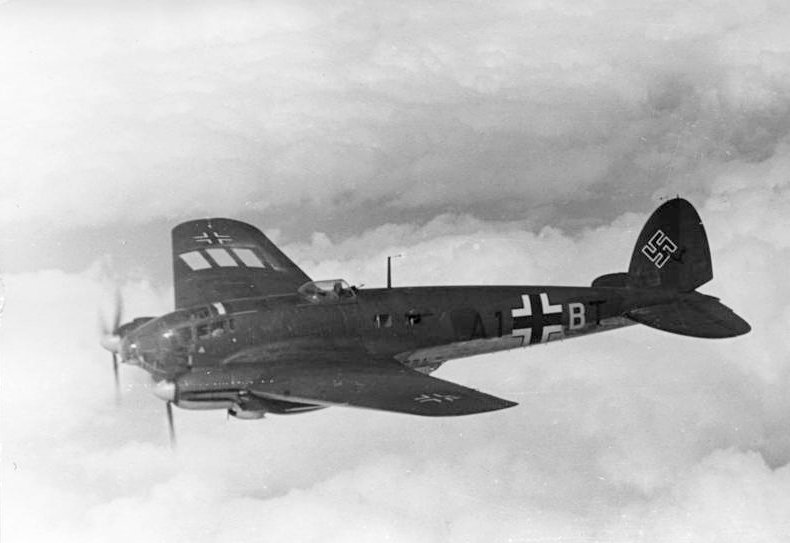
To a person who doesn’t know history, every swastika looks the same. To a historian, they are opposites. It is like comparing the Star of David (Salomon’s Star) to the Nazi symbol—one is a blue mark of protection on a white field, the other is a tool of terror. Hmm And as a point of note Israeli Airforce uses precisely same colour combination: Blue on white.
| Feature | The Finnish Swastika (Hakaristi) | The Nazi Symbol (Hakenkreuz) |
| Orientation | Straight. Stands firmly on its “feet.” | Tilted. Set at a 45-degree angle. |
| Colors | Blue and White. Colors of nature and peace. | Black and Red. Colors of aggression and blood. |
| Inception | 1918. A symbol of freedom and luck. | 1920. A symbol of hate and racial superiority. |
| Meaning | Independence and survival. | Conquest and genocide. |
Why We Still Talk About It
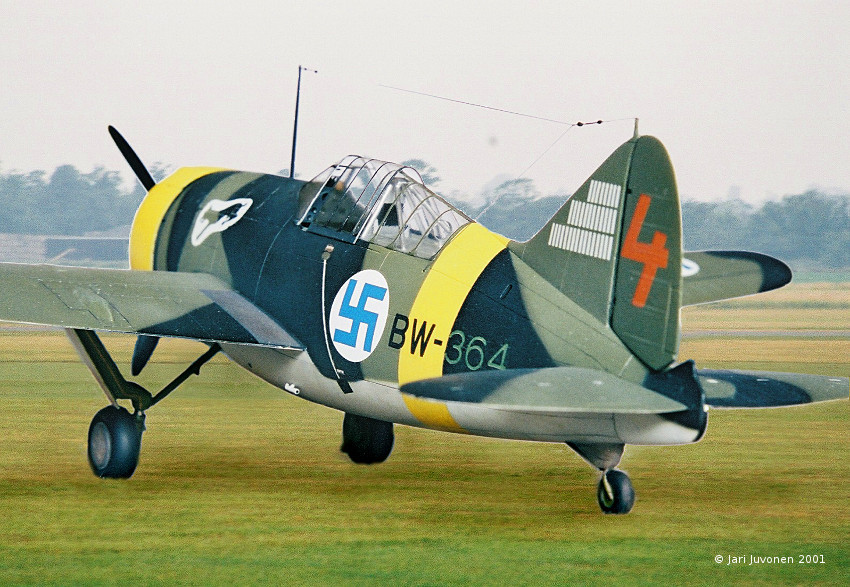
By 1945, international pressure forced Finland to remove the swastika from the wings of our planes, replacing it with the blue-and-white circle (cocarde) we use today. However, the symbol remained in our unit flags and decorations for decades—not out of defiance, but because it represented the era when we defended our country against the Soviet Red Star.
In online game “War Thunder” the finnish planes have blue Greek crosses as national symbols, I guess not to offend anyone who is meantally too weak to be allowed into internet.
As Finland integrates into NATO and prepares to receive its new F-35 fleet at the Lapland Air Wing in 2026, the last of these historical symbols are being moved to museums to avoid “awkwardness” with allies who lack this context. This really gets my blood boiling. If you don’t stand by your own symbols, WHAT do you stand by then. People who change symbols to appease others are slaves indeed.
But we should not forget: If you can tell the difference between a White Star of Freedom and a Red Star of Oppression, you can tell the difference between the Blue Cross of Finland and the Black Cross of Tyranny.
Context matters. Colors matter. History matters.


