
We buy advanced gear expecting miracles out of the box. But reality has a brutal way of
correcting marketing claims. If you rely strictly on a factory-made sniper hood or commercial
veil, you are walking into a thermal and visual trap. Here is the unvarnished truth about a recent
modification experiment that succeeded in the visible spectrum, but fell flat under the scrutiny of
an infrared sensor.
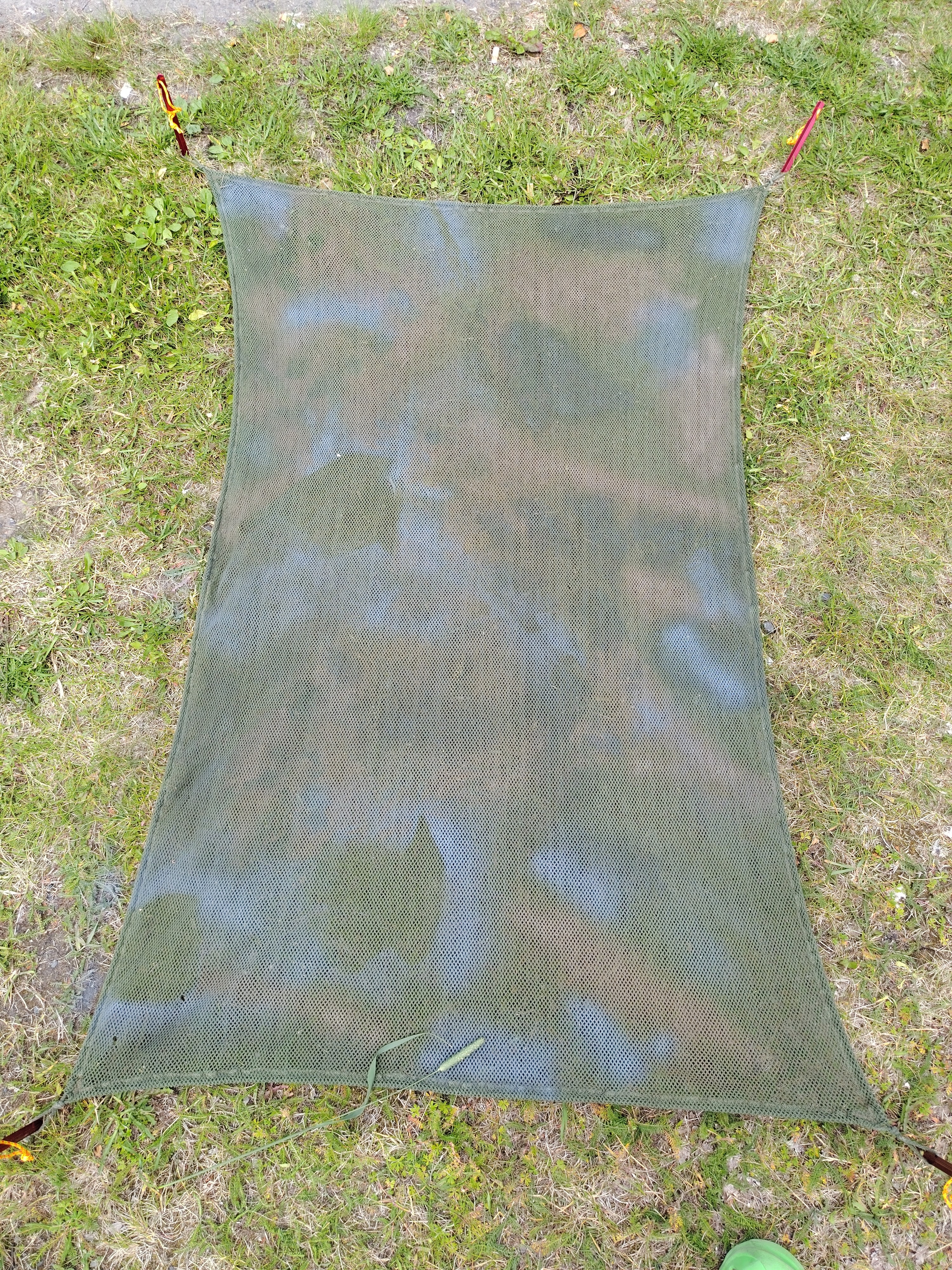
The baseline issue was simple: the modern commercial sniper hood was far too bright. To break
down its uniform, reflective tone, I took standard matte spray paints, a sniper veil, and a modern
sniper hood out to the field. The goal was to break the solid factory color blocks and create an
organic, shifting transition.
The Failures of Artificial Contrast
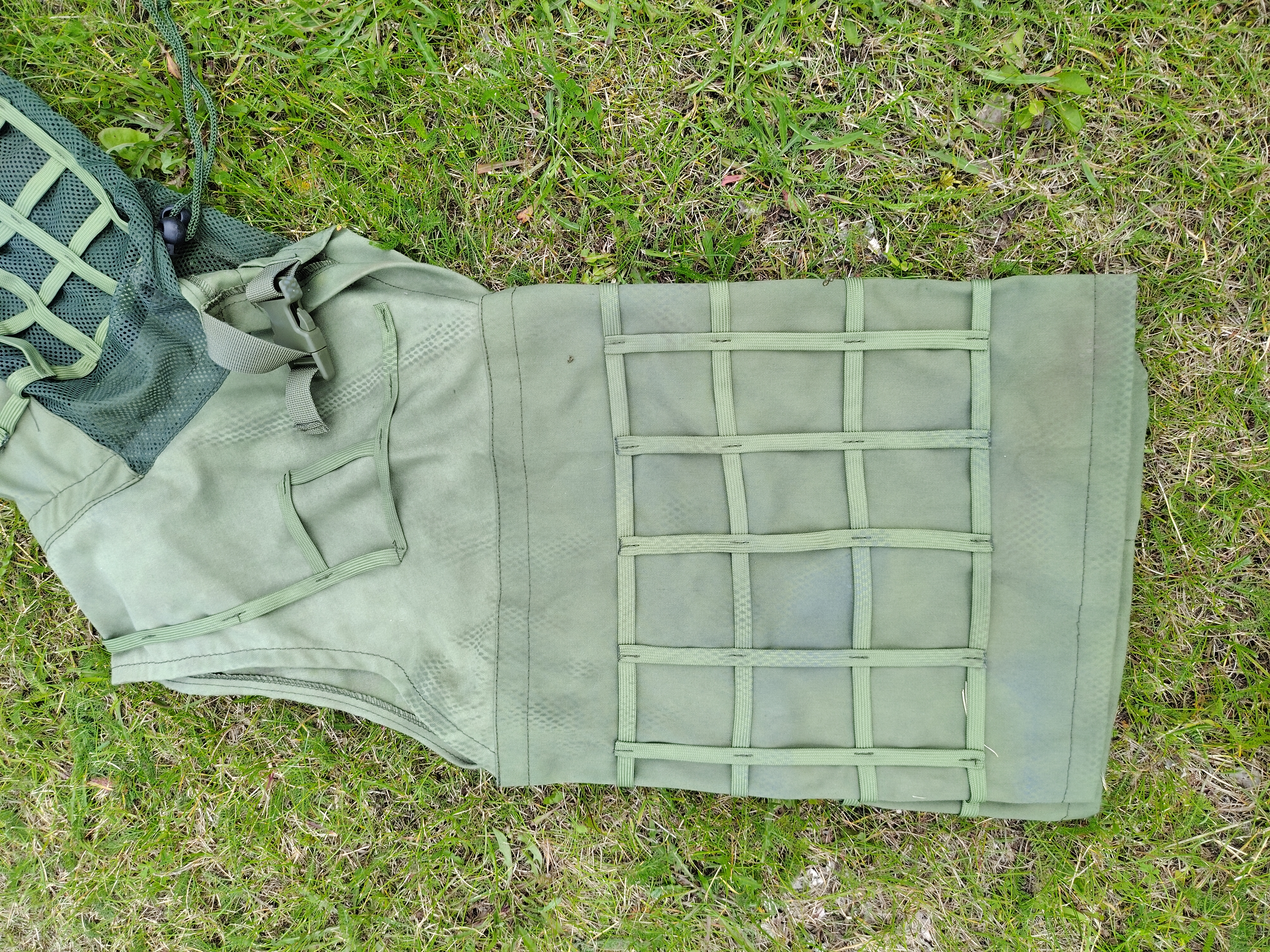
I attempted to apply paint to the sniper hood by spraying through a stretched-out mesh veil to create soft, micro-patterned gradients. The idea was sound on paper—using the mesh as a
stencil to lay down erratic shadows. However, the result on the hood was a disappointment. The
fabric of the hood absorbed and diffused the paint in a way that failed to break the visual mass.
It remained a flat, recognizable shape.
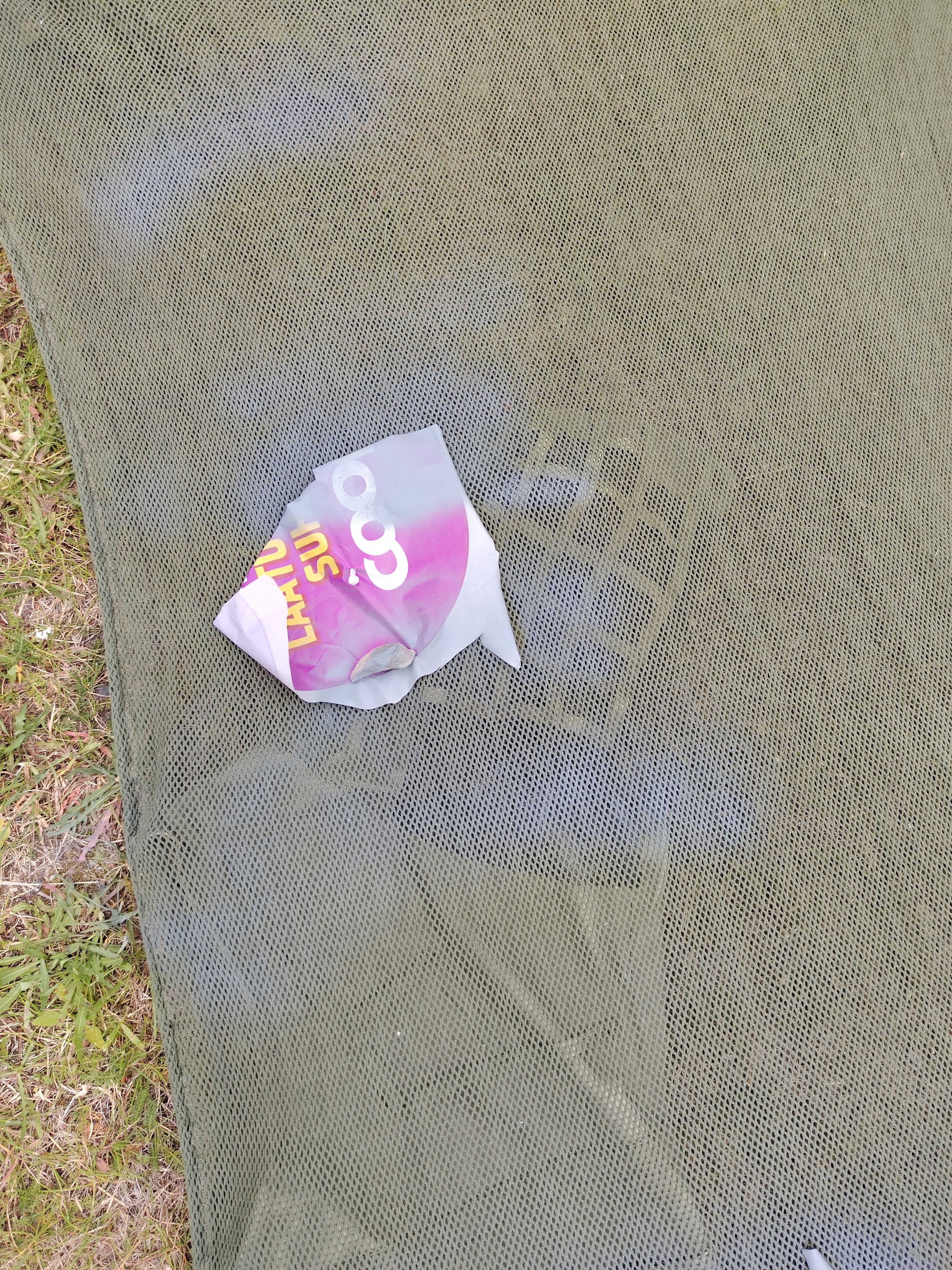
However, the sniper veil itself became the saving grace. By securing the veil flat on the ground
and spraying through improvised stencils—such as torn cardboard and grocery paper bags—I
managed to create a highly effective base pattern. In the visible spectrum, this painted veil
works exceptionally well. It disrupts the flat olive-drab canvas, introducing artificial shadows and
depth that blend naturally into dry grass and dirt.

The Thermal Trap: Visible Success vs. Infrared Reality
Never trust what your eyes see in broad daylight. The thermal imaging tells the actual, lethal
story. When viewed through an infrared sensor, both the flat veil and the sniper hood show up
as glowing, uniform sheets of heat. Even with the paint breaking the visual light spectrum, the
material itself retains a consistent temperature, casting a massive, distinct signature against the
cooler ground.

“No amount of spray paint, high-end mesh, or synthetic fibers will break your thermal
signature. Fabric heats up and creates a solid, unnatural silhouette.”
The Only Solution: Live Vegetation
The breakthrough occurs only when you introduce natural, live vegetation. Only when branches,
leaves, and weeds are woven into the mesh of the veil does the uniform thermal signature
finally shatter.
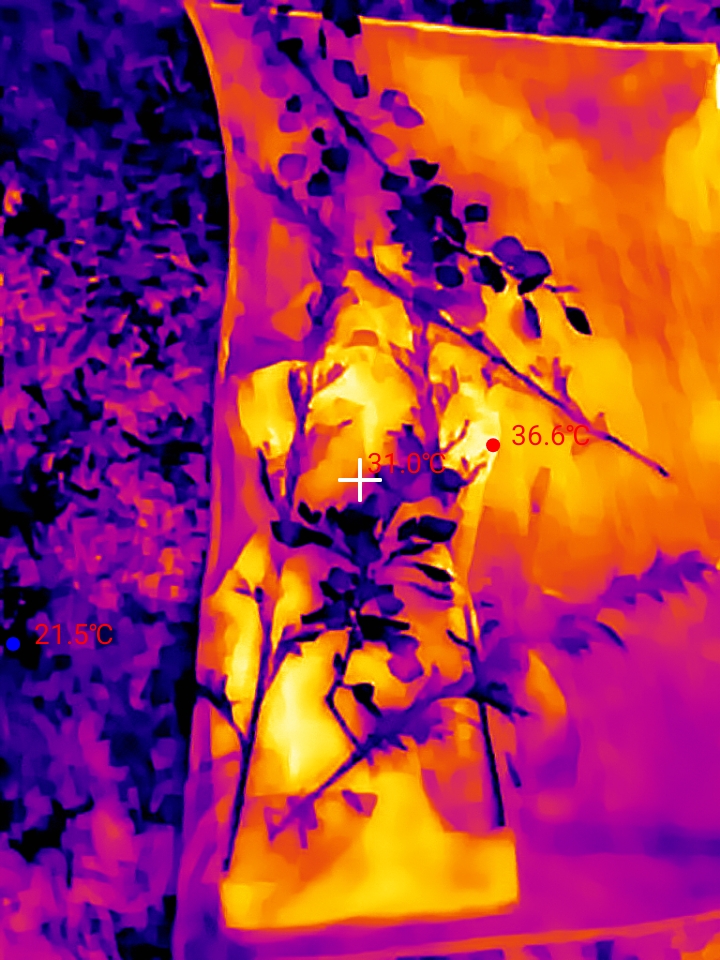
As shown in the thermal tests, live plants retain water and have varied temperatures, creating a chaotic mix of cold and hot spots that perfectly mimic the surrounding environment. Without a heavy, aggressive use of local flora, your high-tech camouflage gear is nothing more than a
visually pleasant shroud that will get you spotted by the first thermal optic that sweeps your
direction.

 Epämuodikkaita ajatuksia